



6 Back to School Tips to Get Behaviors Under Control from the Start
Share This:
The beginning of the school year is the perfect time to set the tone for your classroom! While academics are important, the routines and expectations you set during the first few weeks determine how smoothly the rest of your year will go. One of the most valuable back to school tips is to focus on teaching behavior expectations before problems ever arise. If you’ve ever wondered how to handle disruptive behavior in the classroom, that answer usually starts with proactive teaching instead of reactive consequences.
Every teacher has a few classroom behaviors that just drive you crazy when they become habits. Maybe it’s the constant interruptions, wandering around the room, talking in line, or students leaving classroom supplies scattered everywhere. The good news is that students CAN learn almost any behavior when you teach, model, practice, and reinforce what you expect from day one. You can create a classroom environment where students feel safe, successful, and ready to learn by focusing on these nonnegotiables early on!
1. Back to School Tips for Teaching Respect and Kindness
If there’s one behavior worth teaching from the very first day of school, it’s how students should treat one another (and you!).
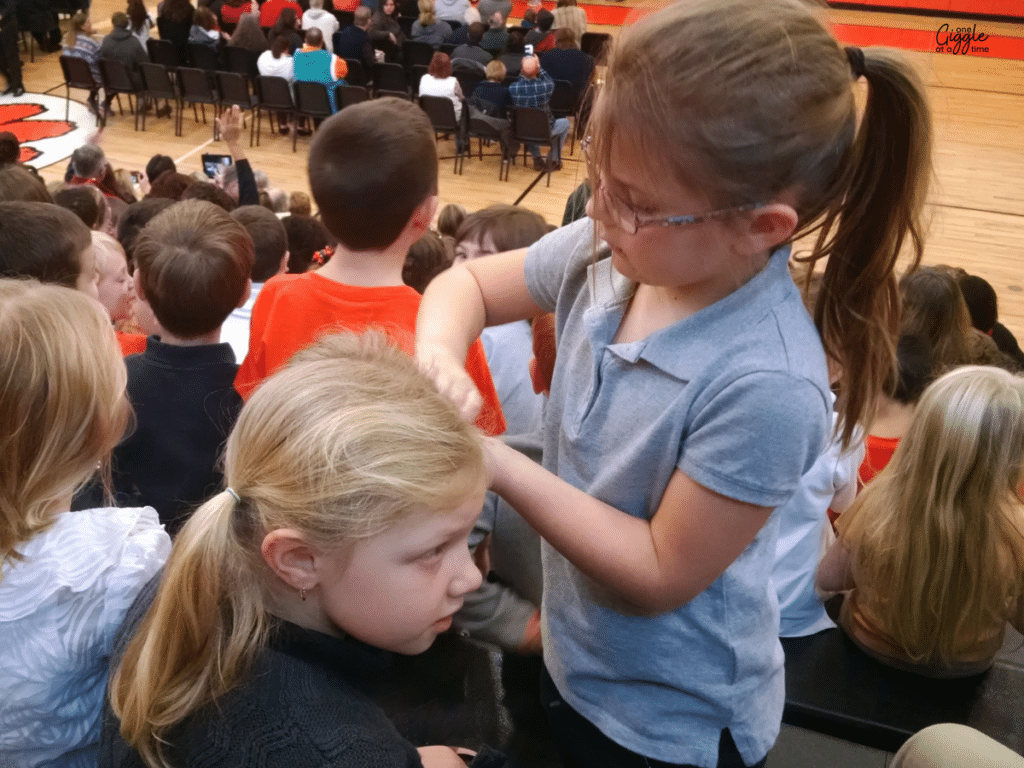
Students come to school with different home and classroom experiences, communication styles, and social skills. Some naturally know how to interact respectfully with classmates, while others need direct instruction and lots of practice.
When kindness and respect are a classroom expectation, students are more likely to build positive relationships, take responsibility, and participate in their learning because they aren’t afraid of their peers saying or doing something mean.
Think about teaching and modeling positive behaviors such as:
- Using kind words
- Including others in activities
- Respecting differences
- Listening while classmates are talking
- Disagreeing respectfully
- Choosing not to use hurtful words or tease others
The Using Kind Words Social Story gives specific, age-appropriate examples of what kids can say in common scenarios they will face. This helps them connect to the message and feel more prepared before challenges arise!
2. Teach Students How to Ask for Help
Another behavior that can make or break your classroom management plan is how students ask for help.
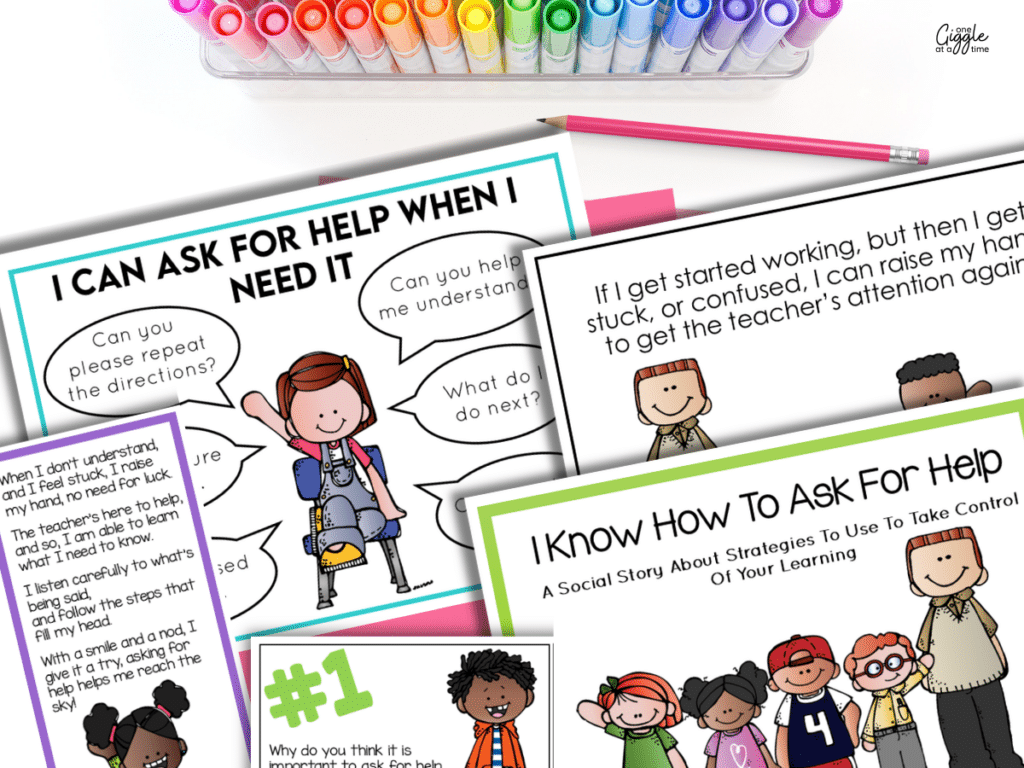
Without clear expectations laid out, you may find yourself answering the same questions over and over again or managing constant interruptions as you’re teaching. If you’re searching for how to handle disruptive behavior in the classroom, teaching students how to appropriately ask for help is a great place to start!
Teach students to:
- Take visual cues from their peers
- Raise their hand
- Think through questions before asking
- Keep their eyes on the teacher
- Make it clear to the teacher when they still don’t understand
These easy habits encourage students to be independent learners while also reducing unnecessary interruptions throughout the day— it’s a win for everyone!
3. Establish Voice Level Expectations
Another important back to school behavior to address early on is volume level.
Spend time the first week of school teaching and practicing appropriate voice levels for a variety of moments during the school day.
Think about moments like:
- Independent work
- Partner work
- Small group
- Whole-group instruction
- Playground time
- Hallway transitions
- Bathroom trips
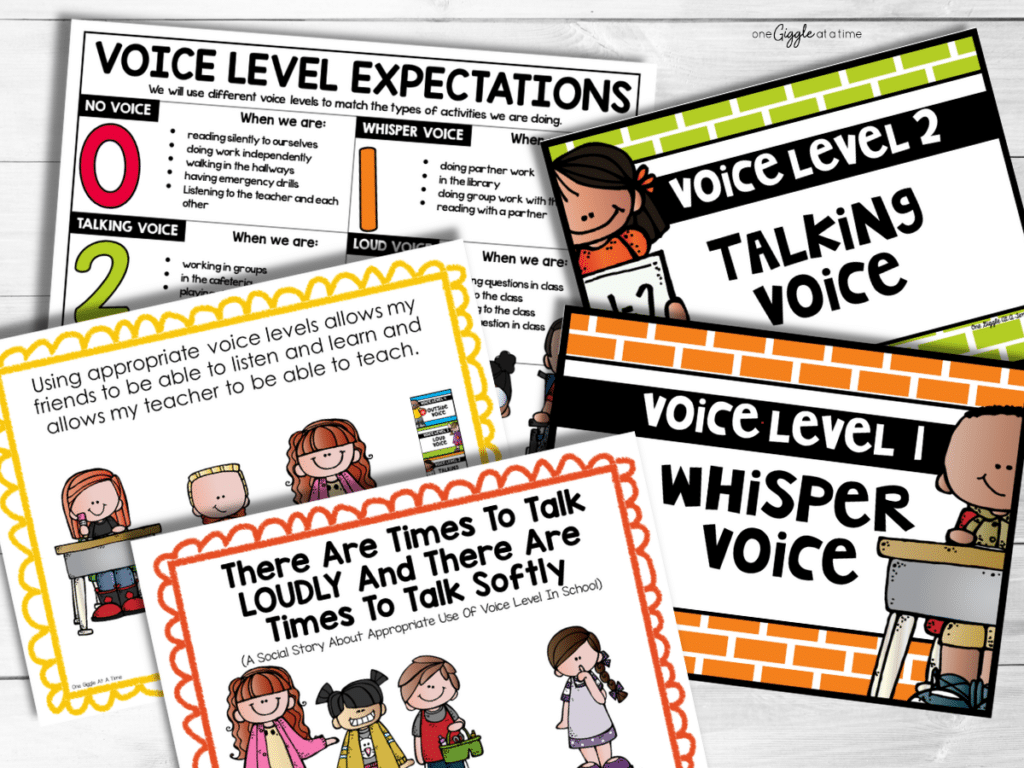
The Voice Level Charts and Social Skills Activities Set includes kid-friendly visual reminders and a social story to help students track their volume throughout the day.
Remember—kids cannot meet your expectations if they haven’t been taught them, so make it clear from day one!
4. Build Responsibility Through Cleanup Routines
Another common frustration is cleanup—or the lack of it!
It can be so frustrating when students leave materials scattered around the classroom. You can avoid this struggle by taking the time to teach students when to clean up and how to put materials away correctly.
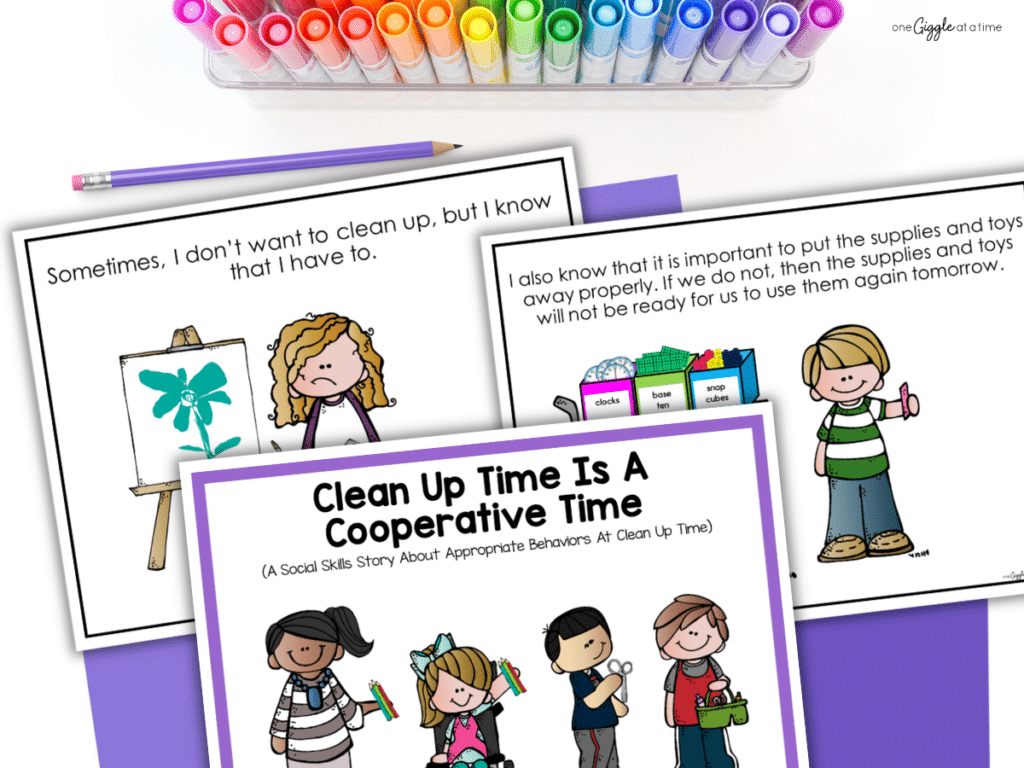
Use kid-friendly fonts to label classroom areas and provide visual reminders of your cleanup process to make this extra easy for your students.
The Cleaning Up Social Story is the perfect resource to help students build responsibility, empathy, and good decision-making skills as they learn this classroom expectation. It’s also a great tool to use for cultivating a positive classroom environment!
5. Teach Procedures for Shared Spaces
Knowing how to handle disruptive behavior in the classroom also means teaching students what appropriate behavior looks like in hallways, bathrooms, the cafeteria, the playground, and other shared spaces around the school.
As much as you’d like to think not, classroom behavior challenges will happen outside of your classroom too—unless you address them early on!
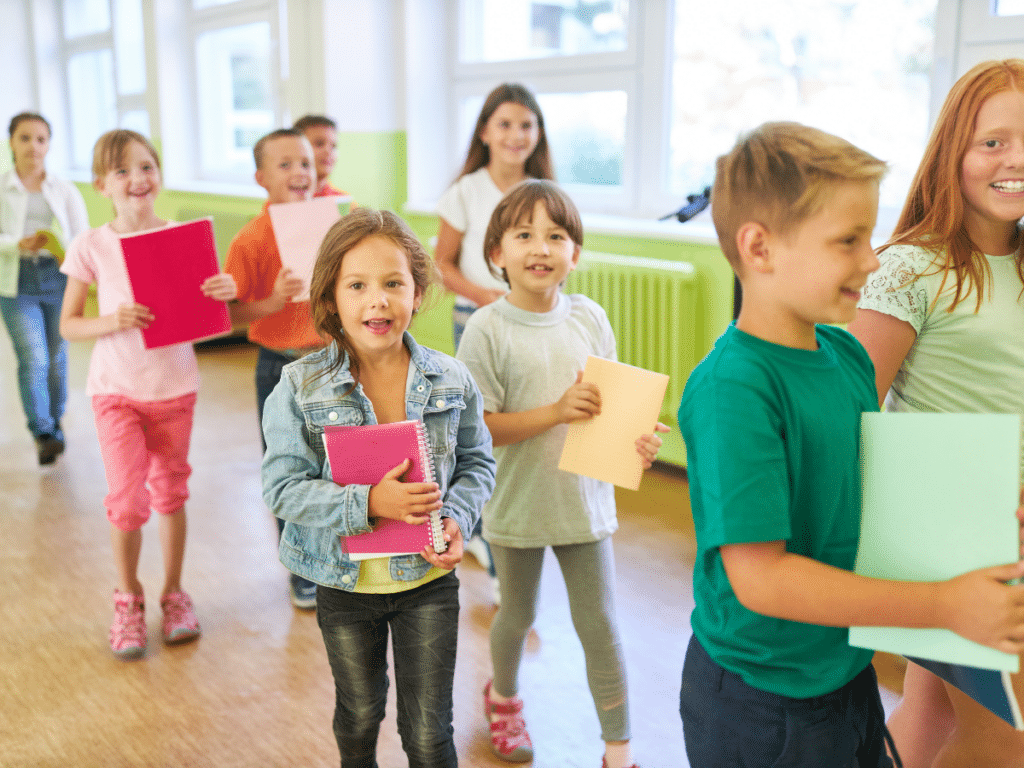
Hallway Behaviors
Walking through the hallway may seem like a straightforward activity, but students, especially the younger ones, need to be taught how to:
- Walk quietly
- Face forward
- Keep their hands to themselves
- Respect hallway displays
- Stay with the group
- Use self-control while lining up
Teaching expectations early in the school year helps little ones stay safe and creates a positive reputation for your classroom throughout the rest of the school—win, win!
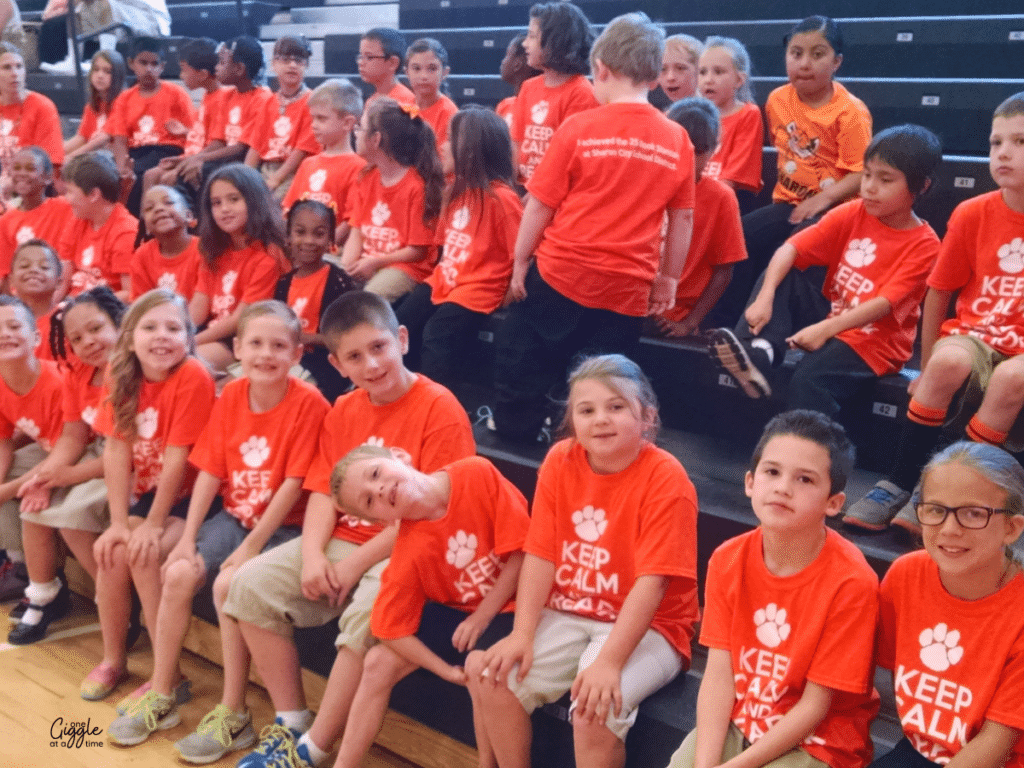
Other Shared School Spaces
Tap into the power of top-rated social stories and teach expectations for a variety of shared school spaces with confidence!
- Bathroom Social Story & Activities
- Cafeteria Social Story & Activities
- School Assembly Social Story & Activities
- Playground Social Story & Activities
6. Show Students How to Care for Classroom Materials
Finally, don’t forget to show your students how to take care of classroom materials.
Your classroom library and school supplies are important! They likely represent a huge investment of your time and money. Teaching students how to care for these classroom materials from the beginning of the school year can prevent frustration for everyone later in the year—your students and you!
Taking Care of Books
Lots of students come to school not knowing how to handle books properly. Whether they haven’t had much exposure to books at home or they just weren’t taught the correct ways to use printed materials, it’s important for you to set these expectations clearly.
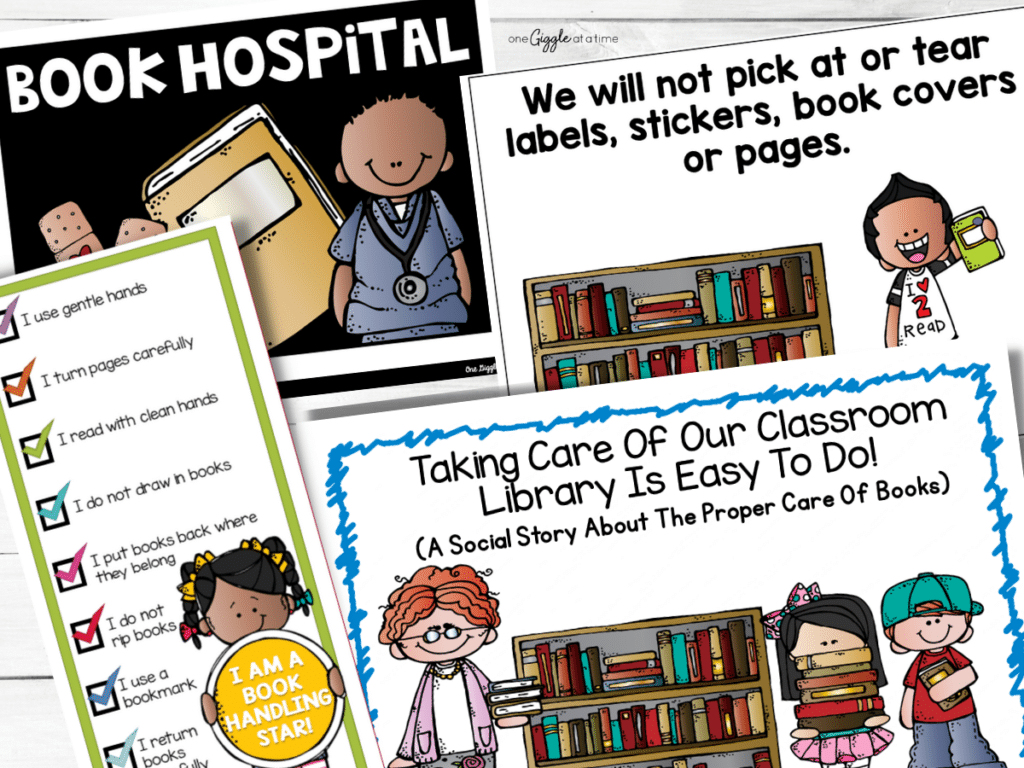
Use the Book Care Social Skills Activity Set to teach your class how to:
- Turn pages in books carefully
- Keep books clean
- Return books to the correct place
- Use bookmarks appropriately
- Protect classroom library materials
When everyone works hard to take care of the classroom library, the entire classroom community benefits!
Using School Supplies Responsibly
The How to Use School Supplies Bundle has everything you need to teach your students how to use classroom tools appropriately. It covers:
- Pencils & erasers
- Scissors
- Glue
- Crayons
- Dry-erase markers & whiteboards
- Clipboards
- Learning tools like counters, tiles, and manipulatives
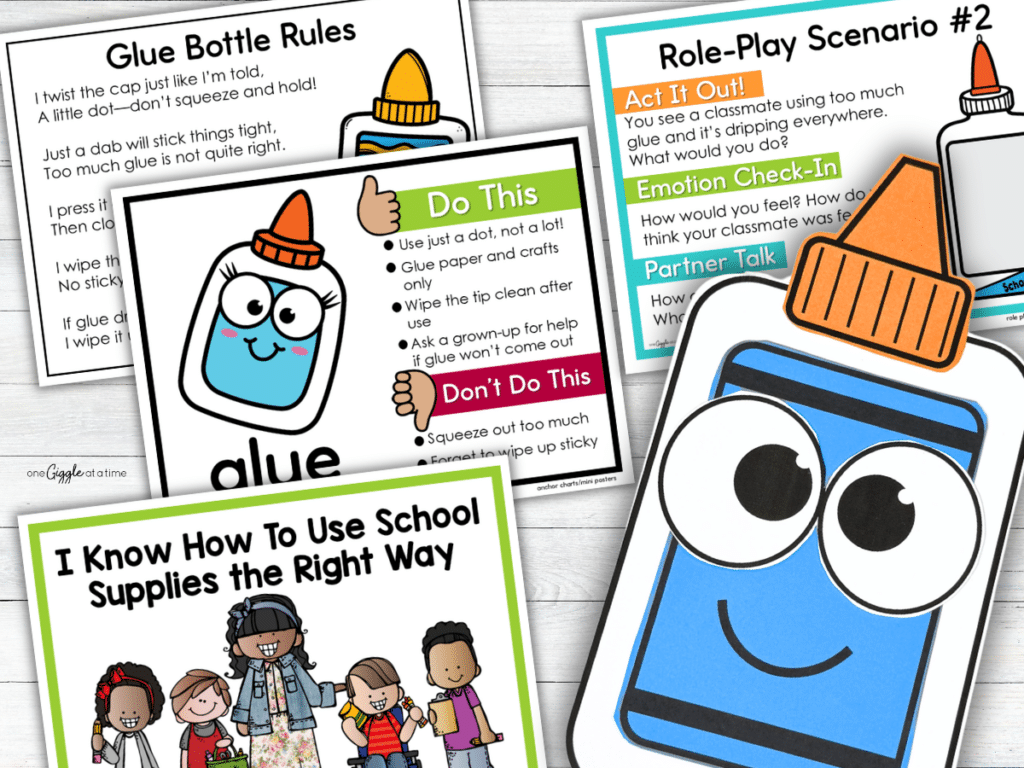
Introduce one new social story and related activities each day for the first couple of weeks of school so you aren’t overwhelmed on the first day. Pair these resources with your classroom routines, morning meetings, or center times for low stress!
Check out the FREE Back to School Routines & Procedures Checklist for extra support to get you started.
The goal isn’t to create perfect behavior overnight. Instead, by introducing your expectations from the start of the school year and revisiting them later as needed, your students will have many opportunities to practice positive behaviors. These back to school tips can help you create routines that support learning, responsibility, and respect that carry on throughout the entire year. Remember, it starts with one behavior at a time—and hopefully lots of fun giggles, too!
Let me know if you have any questions about anything you see here. Don’t forget to pin this post to refer to it later!
Other posts you may enjoy:
Most Important Classroom Routines and Procedures
Why Clearly Teaching Classroom Supplies Is So Important in Elementary Classrooms
MAKE MORNING ROUTINES IN YOUR CLASSROOM FUN AND ENGAGING WITH THESE
Free Morning Meeting Songs & Greetings
The perfect way to get students energized and ready to go in the mornings!


Diane Romo
I’m so glad you’re here! I share practical ideas and ready-to-use resources for teachers, parents, homeschoolers, and counselors who want to foster strong relationships and inspire meaningful learning. If you support kids, this space is for you.