




5 Back to School Tips for New Teachers to Start the Year Strong
Share This:
Starting the school year as a new teacher brings a big mix of emotions! You may feel excited about decorating your classroom, meeting your students, and finally stepping into the career you worked so hard for. At the same time, you might also feel anxious about creating lesson plans, classroom management, and all of the unknowns you’re sure to meet. Whether you’re beginning your very first teaching job, moving into a new grade level, or starting fresh at a different school, know this— you are more ready than you realize! You were made for this work. These 5 simple back to school tips for new teachers will help you start the year strong and keep that momentum going all year long!
1. Consider Your Routines Before Decorations
One of the best back to school tips for new teachers is to prioritize routines over perfect room decor or elaborate lesson plans.
It’s so easy to scroll on social media and feel pressure to create the “perfect” classroom. The real secret, though— the classrooms that run most smoothly aren’t always the fanciest ones. Strong routines are what make your classroom shine and students succeed!
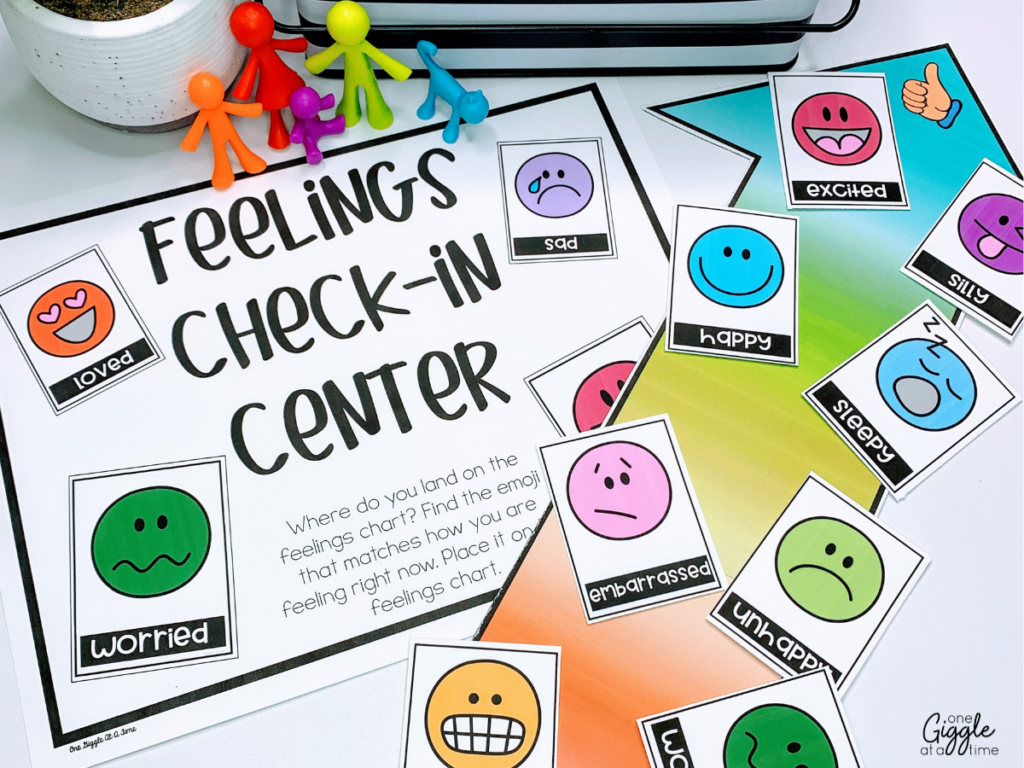
Students thrive when they know:
- What to expect when they enter the classroom each morning
- Where materials belong
- How transitions work
- What classroom procedures look like
When these routines become automatic, your classroom feels calmer and way more manageable… and it will be such a breath of fresh air as a new teacher or a teacher in a new school or grade level!
Create a Predictable Morning Routine
Morning routines truly set the stage for your entire day. When students walk in knowing exactly what to do, they feel more secure and independent.
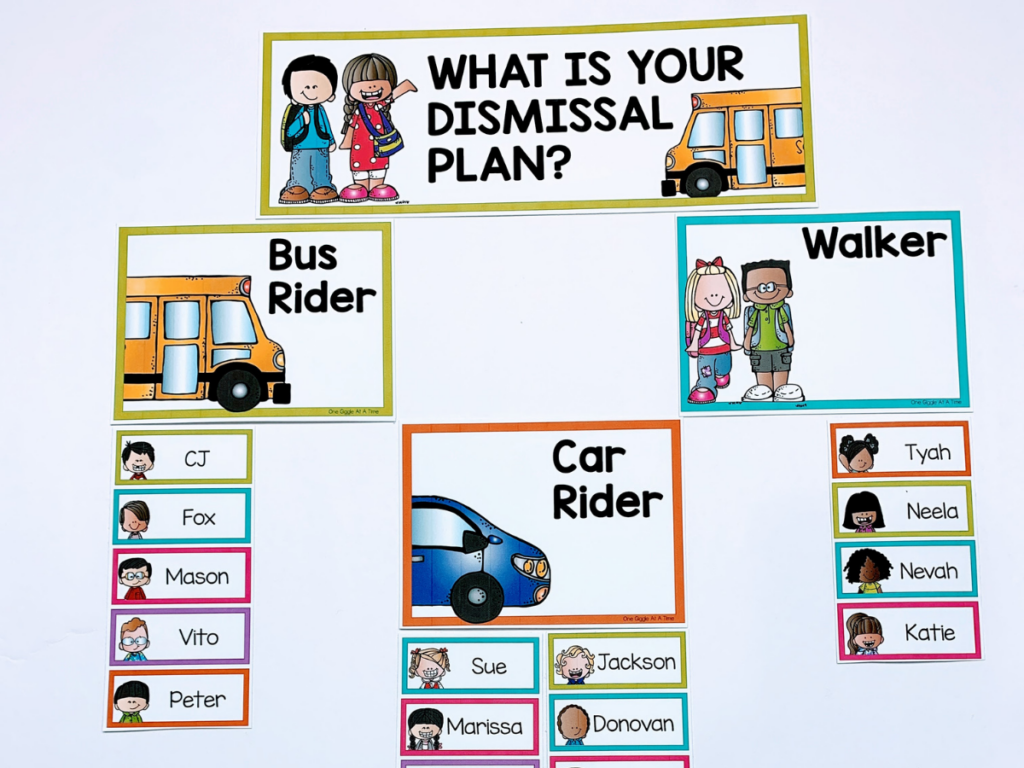
Your morning routine might include:
- Hanging up backpacks
- Turning in homework folders
- Greeting classmates
- Morning Meeting
- Reviewing the day’s schedule
Remember— routines don’t need to be complicated to be effective!
Build Simple Academic Routines
Consider your academic routines, too! The more automatic they become, the smoother your instructional time will feel later.
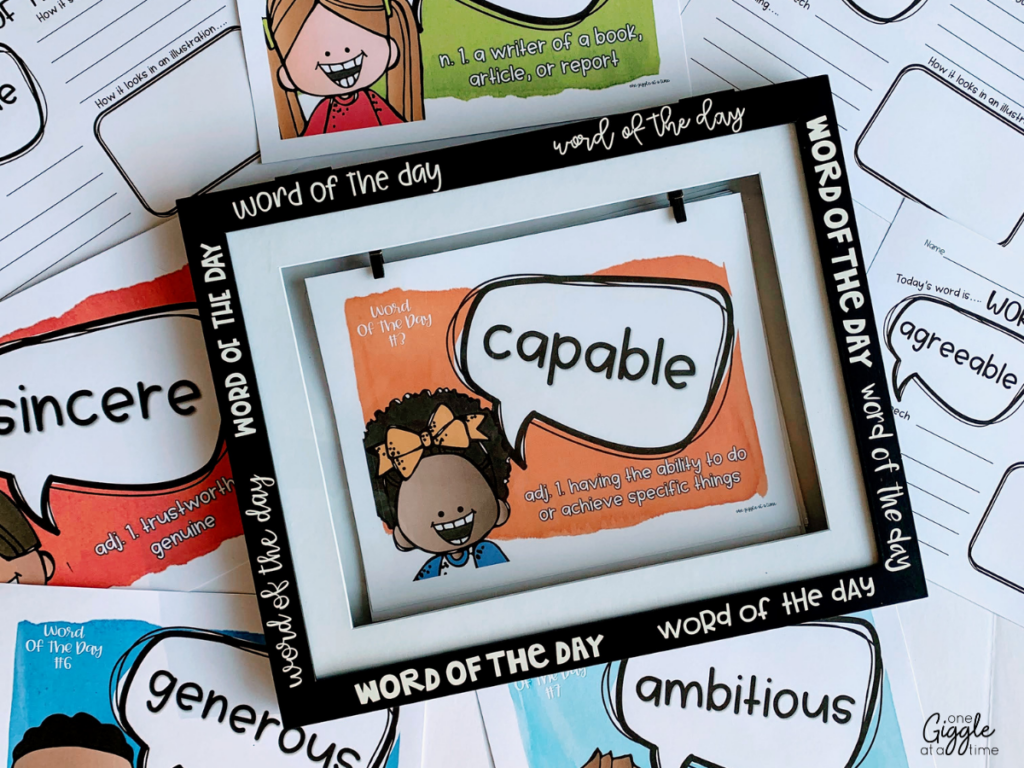
Vocabulary routines are a great way to help students build confidence and comprehension skills! Instead of discussing vocabulary words differently each day, create a predictable routine students can rely on.
Think about establishing a:
- Vocabulary Word of the Day
- Word of the Week
- Vocabulary Intervention Lessons
This Tier 2 K-2 Vocabulary Bundle is perfect for any of these! It is a yearlong set that supports vocabulary building, comprehension, and language fluency for diverse learners in kindergarten, first grade, and second grade.
2. Give Yourself Permission to Learn as You Go
Next, give yourself grace. As a new teacher (or a teacher moving to a new grade or school), it’s normal to feel the overwhelming pressure to have everything figured out immediately. The truth is that teaching is something you grow into over time.
Even veteran teachers learn something new each year!
Instead of trying to master everything before the first day of school, focus on creating a flexible roadmap for the year ahead. One of the most valuable back to school tips for new teachers is to remember that growth happens gradually— not overnight!
Start with the Big Picture
Before school begins, spend some time thinking through some big picture items:
- Major units and topics to cover
- Seasonal activities you want to do– like the 100th Day of School
- Social-emotional learning themes
- School-wide events– like Bus Safety or Touch-a-Truck
- Any larger class projects you hope to complete
You don’t need to have every lesson planned in advance. Just give yourself a general overview!
Use these free editable curriculum planning pages to keep yourself organized and, more importantly, LESS overwhelmed this school year!
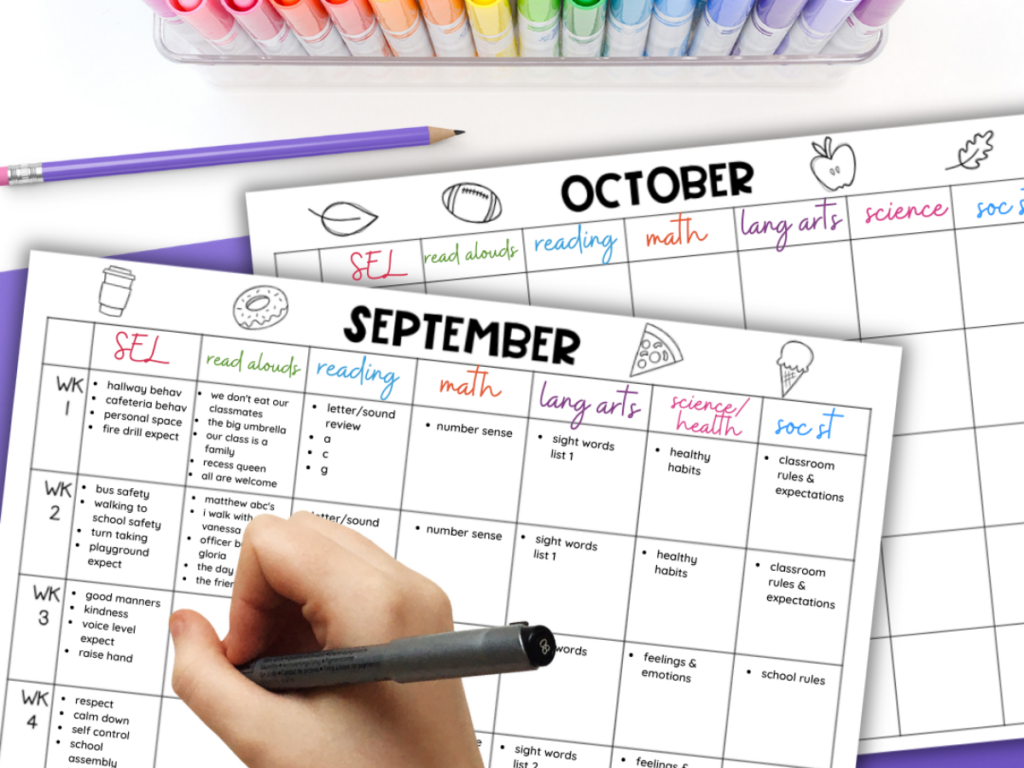
Print a different page for each month, and fill them in with all the big items, learning units, and events you’ve already jotted down or thought about. Use a pencil for easy editing as the year progresses and things change, or use text boxes if you prefer to type!
3. Teach Procedures for Everything
Next, teach procedures for everything! Never assume your students automatically know how to do something. Even if they do, it’s likely that how they did it with their teacher last year will be different than how you’d like them to in your classroom.
Keep your focus on teaching procedures during the first two weeks of school. This will give you plenty of time to model and practice together before diving deep into your academics!
Teach students how to:
- Use school supplies
- Sharpen pencils
- Walk in the hallway
- Clean up centers
- Ask for help appropriately
- Act during a school assembly
- & more!
For a done-for-you list of back-to-school routines to teach, grab this FREE checklist! It covers expectations for both inside and outside the classroom.
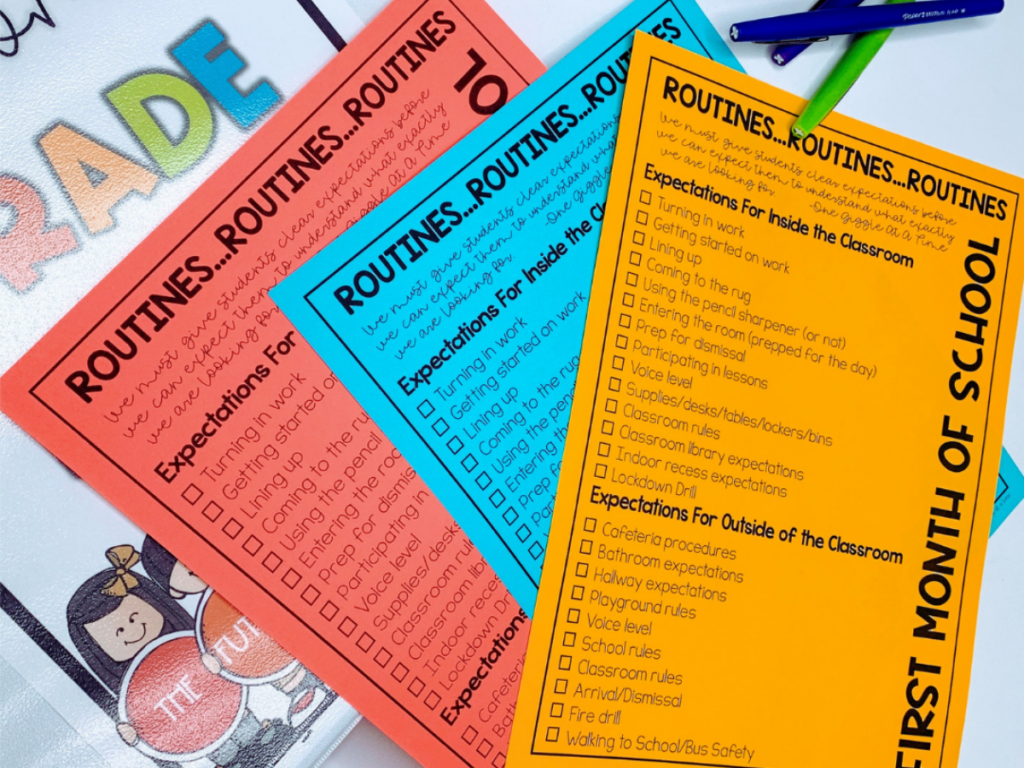
Teaching these procedures early on will save you so much time later in the year!
Social Stories Can Help!
Social stories are a great way to help children understand what to expect in different situations in a calm and kid-friendly way.
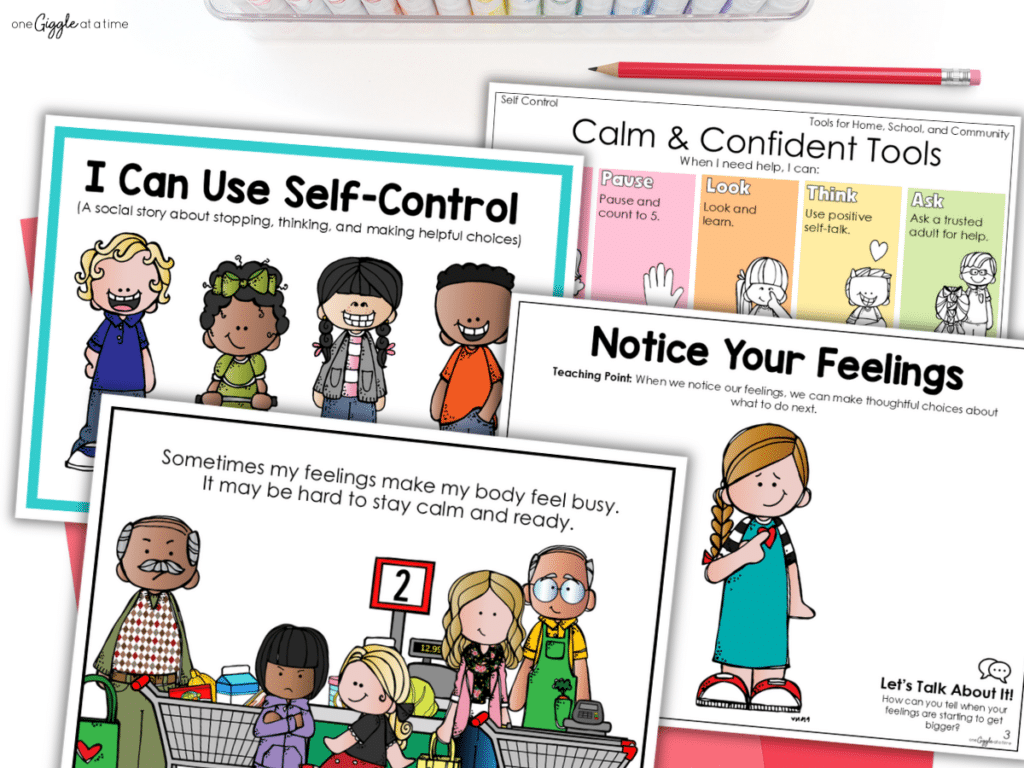
They’re also extremely helpful tools for new teachers because they give you structure and consistency to lean into during those early weeks when everything feels a little more overwhelming.
4. Build Independence from the Start
Next, plan with your students’ independence in mind! As a new teacher, it may feel faster to just do everything yourself at first, but your classroom will run much more smoothly in the long run if you teach students to take ownership and responsibility.
Focus on building independence by:
- Labeling classroom materials clearly so students know where to return them
- Practicing cleanup procedures each day
- Using visual reminders
- Modeling expectations clearly (step by step!)
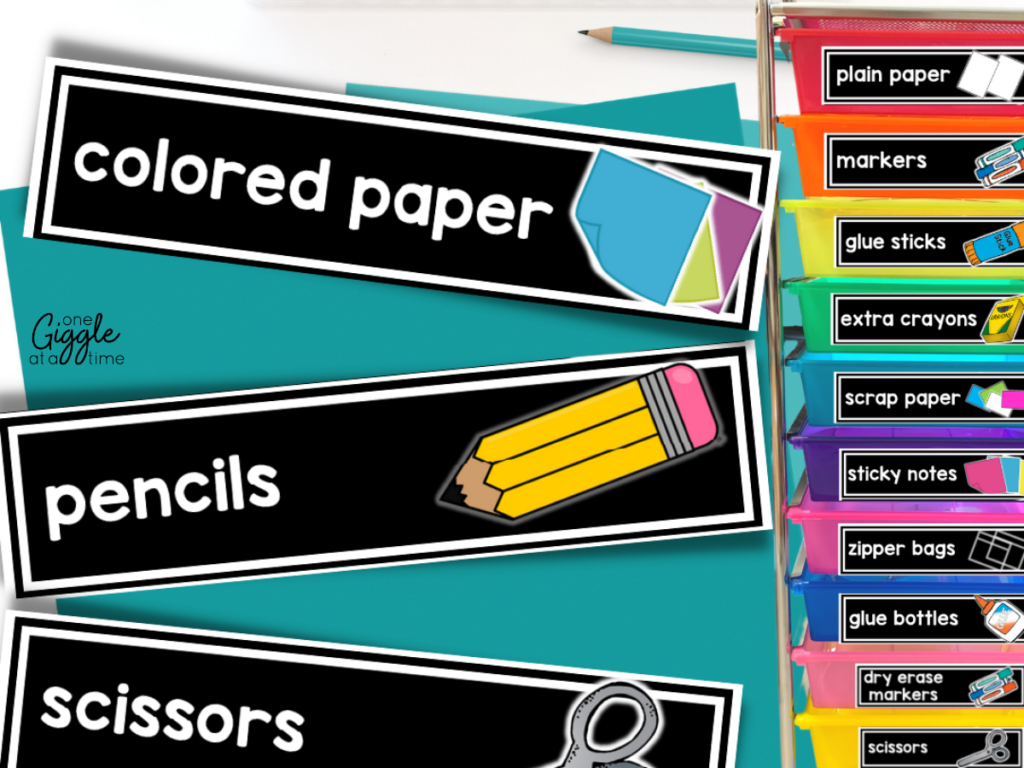
Small routines practiced repeatedly can transform your classroom environment in ways you’ve never imagined possible!
5. Make Plans for the First Few Days
Finally, remember that the first few days of school set the tone for the entire school year. While academics do matter, relationships and routines should take center stage at the beginning of the year.
Focus on helping students feel safe, welcome, included, and successful. Do this by prioritizing community-building activities and classroom expectations.
Plan a few fun activities for the first week:
- Friendship Bingo- a game perfect for students to get to know each other AND you!
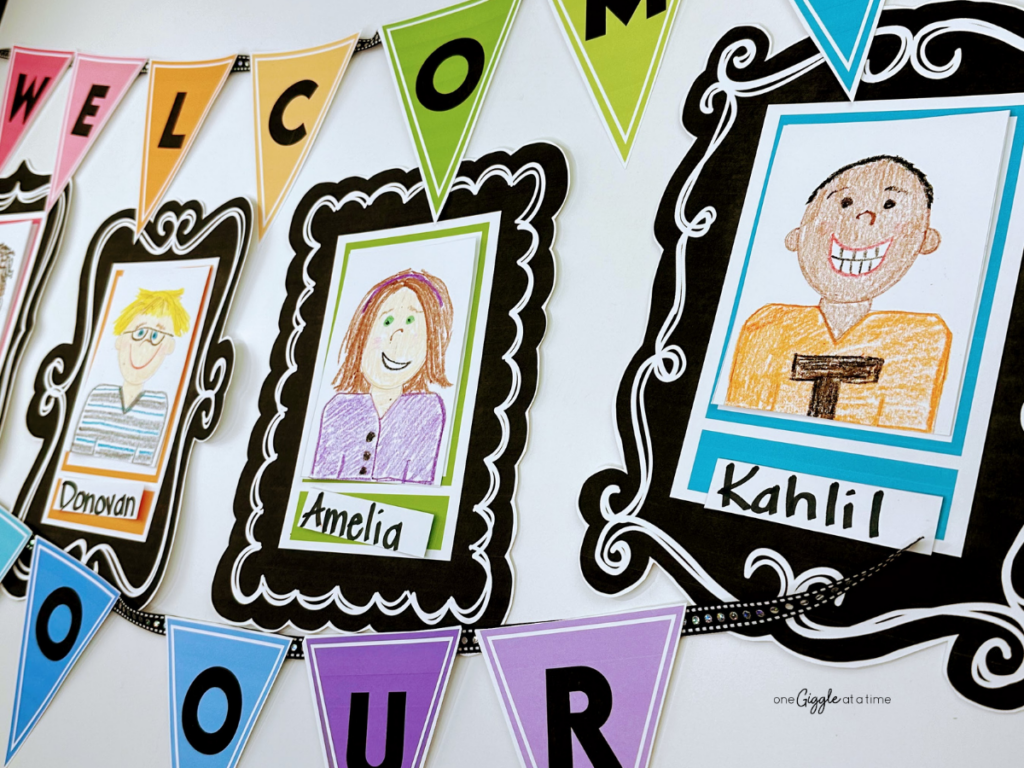
- Color self-portraits to brighten up the room
- Classroom Scavenger Hunt- help students get to know their classroom through a fun, movement game
As you prepare for the year ahead, remember these back to school tips for new teachers, and give yourself grace along the way. Teaching isn’t about having every answer perfectly prepared on the first day. It’s about showing up consistently, building meaningful relationships, and creating a classroom environment where students feel safe and ready to learn. Your students are already so lucky to have you!
Let me know if you have any questions about anything you see here. Don’t forget to pin this post to refer to it later!
Other posts you may enjoy:
10 Things to Do on the First Day of School in First Grade
How to Plan for the First Day of School
How Social Skills Stories Build the Positive Classroom Climate You Are Craving
MAKE MORNING ROUTINES IN YOUR CLASSROOM FUN AND ENGAGING WITH THESE
Free Morning Meeting Songs & Greetings
The perfect way to get students energized and ready to go in the mornings!

Diane Romo
I’m so glad you’re here! I share practical ideas and ready-to-use resources for teachers, parents, homeschoolers, and counselors who want to foster strong relationships and inspire meaningful learning. If you support kids, this space is for you.