





Classroom Friendship Problems: 5 Friendship Repair Strategies That ACTUALLY Work
Share This:
You’re in the middle of teaching a powerful phonics lesson when it happens again—another interruption, another emotional report (or tattle-tale!), and another friendship issue that pulls your attention away from instruction. The constant “he said/she said” cycles with forced apologies that never seem to stick. These repeat friendship problems feel like just one more thing on your already overflowing plate.
Here’s what you need to know: You aren’t doing anything wrong! Students having conflicts with friends is developmentally normal. The real issue is that they haven’t been taught what to say or do AFTER something goes wrong. Repairing friendships works the same way as a child learning to read or write– they need clear instruction.
Keep reading for 5 easy-to-follow friendship repair strategies in Part 4 of the Friendship Series:
Why Instruction Matters
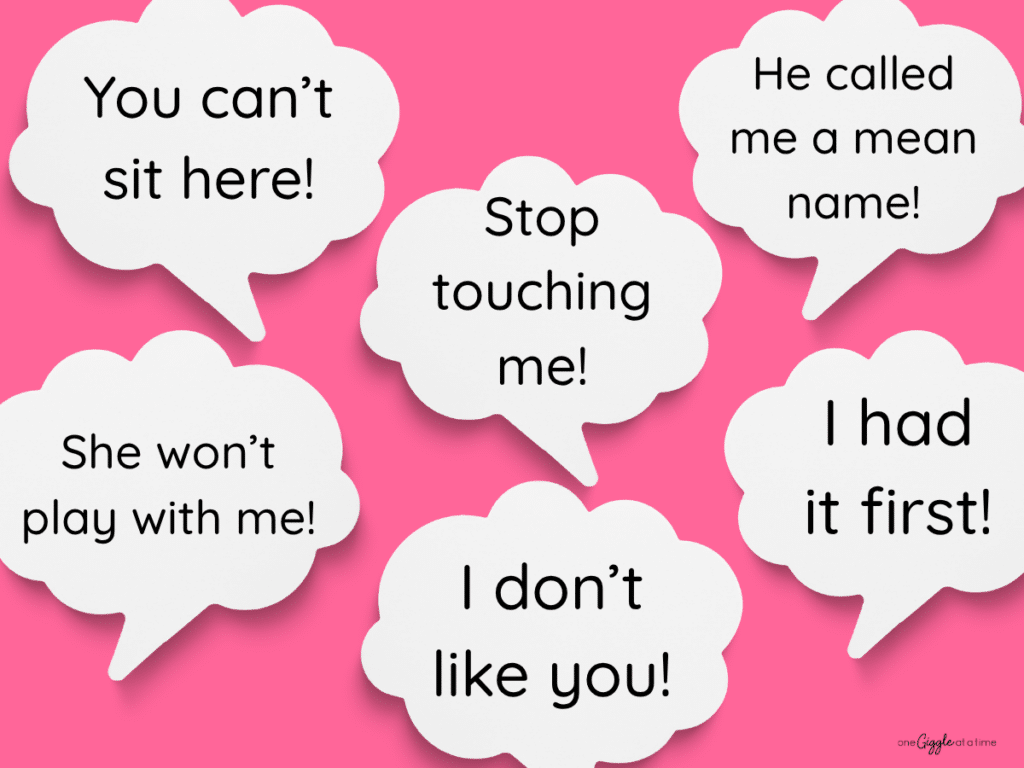
You see the same friendship problems seem to appear again and again:
- Someone gets left out
- Hurtful words are said during big emotions
- Power struggles during recess or group work
- Disagreements that seem to escalate way too quickly
These friendship challenges don’t happen because kids don’t care or because you aren’t a good enough teacher. They happen because kids want connection but don’t have the tools to repair relationships when they feel hurt, rejected, or frustrated.
This is why explicit instruction matters! When you treat friendship repair like an actual skill—not just a behavioral expectation— students begin to clearly understand and gain confidence in themselves.
The Friendship Repair Mini Bundle has everything you need to teach your students how to respond when they have problems with their friends. This resource includes FOUR kid-friendly social stories and meaningful, low-prep activities to help your students learn exactly what to say and do next.
Instead of guessing, shutting down, or running to you to tattle, students finally have a plan that will work!
Strategy 1: Use Social Stories to Prevent Repeated Friendship Problems
Kids don’t learn best when their emotions are already running high. They learn best when expectations are clearly laid out in low-pressure situations. That’s why social stories are such an effective tool for preventing repeated friendship problems.
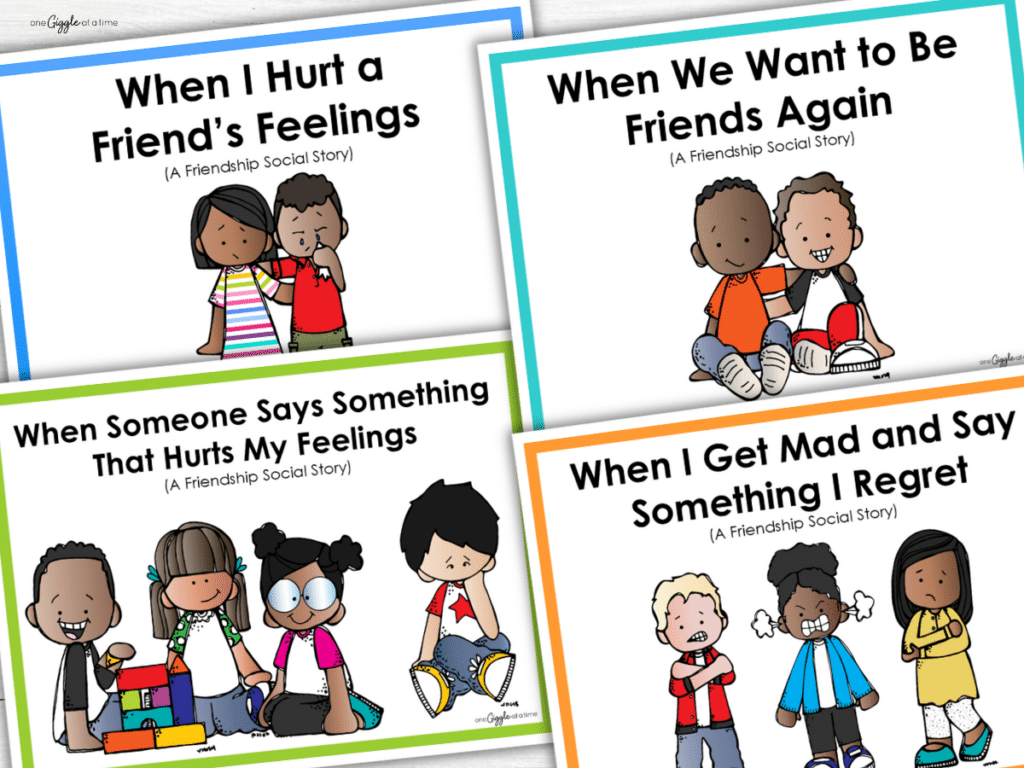
The 4 social stories you’ll find in the Friendship Repair Mini Bundle include:
- When I Hurt a Friend’s Feelings
- When We Want to Be Friends Again
- When I Get Mad and Say Something I Regret
- When Someone Says Something That Hurts My Feelings
Each social story includes child-facing story pages, story-specific adult notes with guidance for introducing and using the story, and simplified versions.
Use these Friendship Repair social stories during whole-group instruction, read aloud time, Morning Meeting, or home or family conversations to teach students exactly how to react when they feel left out or bossed around.
You don’t have to use all four stories at once—choose the stories that best meet your children’s needs!
Strategy 2: Teach Language That Leads to Real Repair
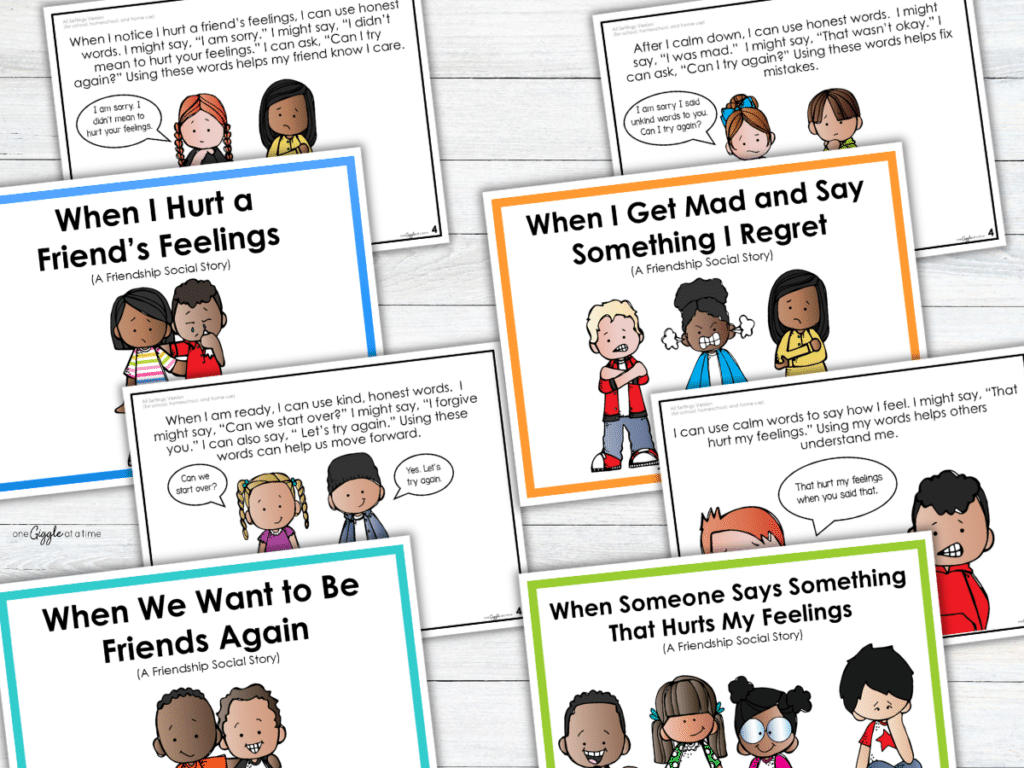
Many friendship problems linger because kids don’t have the words to fix them. The Friendship Repair Mini Bundle intentionally focuses on teaching easy-to-repeat language that students can actually use.
Examples:
- “I’m sorry. I didn’t mean to hurt your feelings.”
- “I didn’t mean to say those words. Can we still be friends?”
- “I’m sorry I said that. Let me try again.”
When you model this language, role play it together, and reference it during real-time conflicts, students begin solving problems independently because they finally know HOW.
Strategy 3: Shift From Punishment to Repair
Another important piece of this repair process is shifting your students from believing they’re in trouble to learning how to fix the issue themselves.
Explain to students how to identify “small problems” vs “big problems”. Give examples and identify different types of problems together.
Teach students how to pause, calm their bodies, and focus on fixing the issue instead of always running to you to mediate for them.
You start hearing students saying:
- “This is a small problem.”
- “I can calm down first.”
- “Let’s fix this.”
This shift dramatically reduces tattling, emotional outbursts, and repeated classroom interruptions!

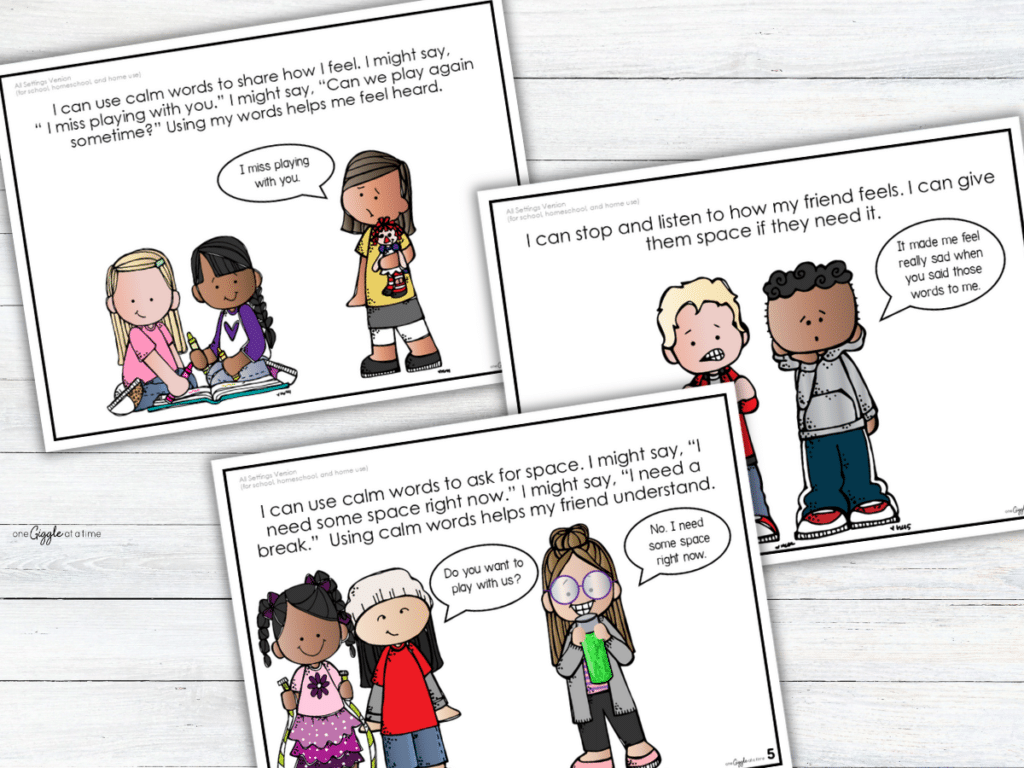
Strategy 4: Teach Boundaries to Prevent Future Problems
Teaching students to respect each other’s boundaries is another extremely powerful way to reduce ongoing friendship problems.
The activities found in the Friendship Repair Mini Bundle help students learn that repair doesn’t always happen instantly.
When students understand this, you move away from forced apologies and towards authentic communication. Students learn to say:
- “I need some space.”
- “I’m not ready to talk yet.”
- “Can we talk later?”
This approach builds trust between students while holding them accountable for their actions. As trust builds, your classroom community will benefit positively, too!
Strategy 5: Teach Closure So Issues Don’t Linger
Finally, many friendship problems persist because students don’t know how to move forward once things feel awkward. The social story and activities in the Friendship Repair Mini Bundle help students practice positive closure language, like:
- “Can we start over?”
- “I forgive you.”
- “Let’s try again.”
This closure strengthens relationships and helps students see that taking time to repair problems can actually make friendships stronger!
More About Friendship Skills
Check back for the first three parts of the Friendship Series to learn more about teaching friendship skills to children at school and home.
Part 1: Navigating Social Changes & Feeling Left Out
Part 2: Teaching Flexibility and Cooperation
Part 3: Big Feelings & Reactions
Looking for Quick Help with Friendship Problems?
You can find everything you need to know in one place in the Friendship SEL Kit!
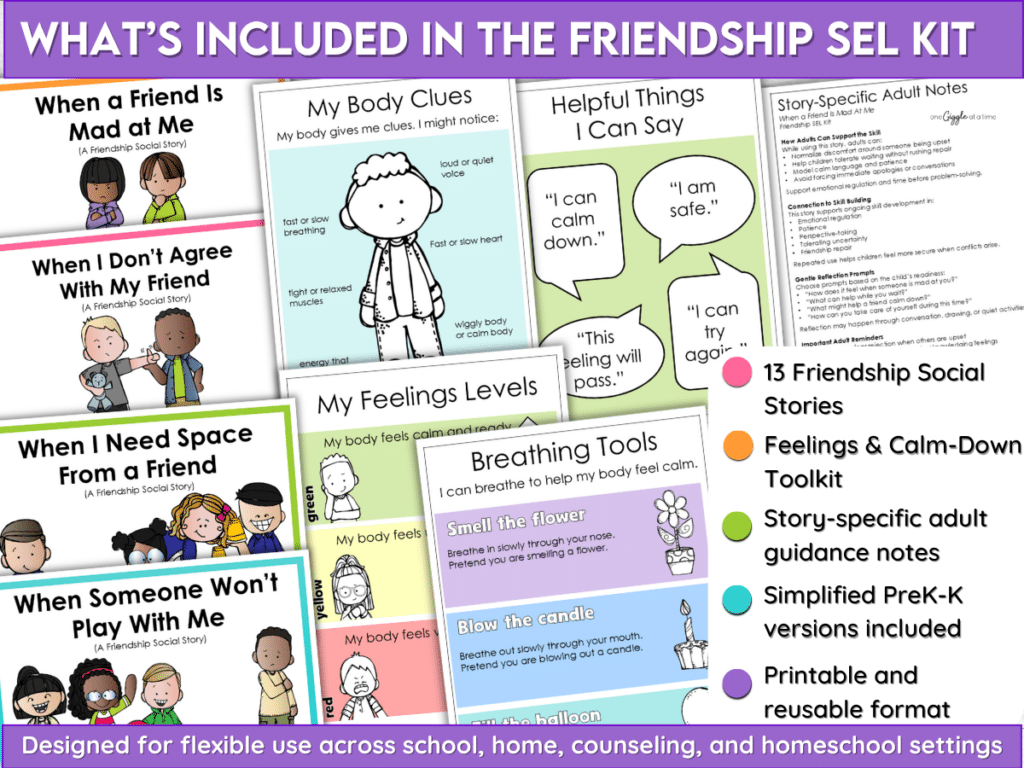
This Friendship Bundle includes:
- 13 social stories
- Standard + PreK–K versions
- Story-specific adult notes for each story
- The Feelings & Calm-Down Toolkit
- Lots of extra adult-facing support
Grab this Friendship FREEBIE too!
Take all of the guesswork out, and learn exactly what to say to help kids handle common friendship situations.
When you stop reacting to friendship problems and start teaching students how to fix them, the atmosphere in your classroom changes. Conflicts shorten. Students solve problems independently. Relationships grow stronger. You’re no longer managing behaviors—you’re teaching communication, empathy, and resilience that will last a lifetime!
Let me know if you have any questions about anything you see here. Don’t forget to pin this post to refer to it later!
Other posts you may enjoy:
Unlock Success: Why Teaching Kids Self-Control Early is Key
The POWER of Teaching Active Listening Skills to Elementary Students
EASY Action Steps to Strengthen Executive Functioning Skills in Children
GUIDE STUDENTS IN DEVELOPING A GROWTH MINDSET WITH THESE
Free Growth Mindset Punch Cards
The perfect way to start meaningful habits and conversations with your students!


Diane Romo
I’m so glad you’re here! I share practical ideas and ready-to-use resources for teachers, parents, homeschoolers, and counselors who want to foster strong relationships and inspire meaningful learning. If you support kids, this space is for you.