





The POWER of Teaching Active Listening Skills to Elementary Students
Share This:
Building a strong foundation for academic and lifelong success is extremely important in the early elementary years. Active listening skills are a huge part of this success for students! Teaching active listening skills involves learning how to become self-aware, engage in conversations, and show others they are listening.
*This post contains some affiliate links. As an Amazon Associate, I earn from qualifying purchases.
What are Active Listening Skills?

Active listening is an important communication skill children (and adults!) use every day. It helps them learn, understand directions and ideas, solve problems, build relationships, and connect with others at home, at school, and in their community.
It’s a dynamic process, and children are still learning how to direct their attention to process information, understand others’ messages, and respond.
What Does Active Listening Look Like?
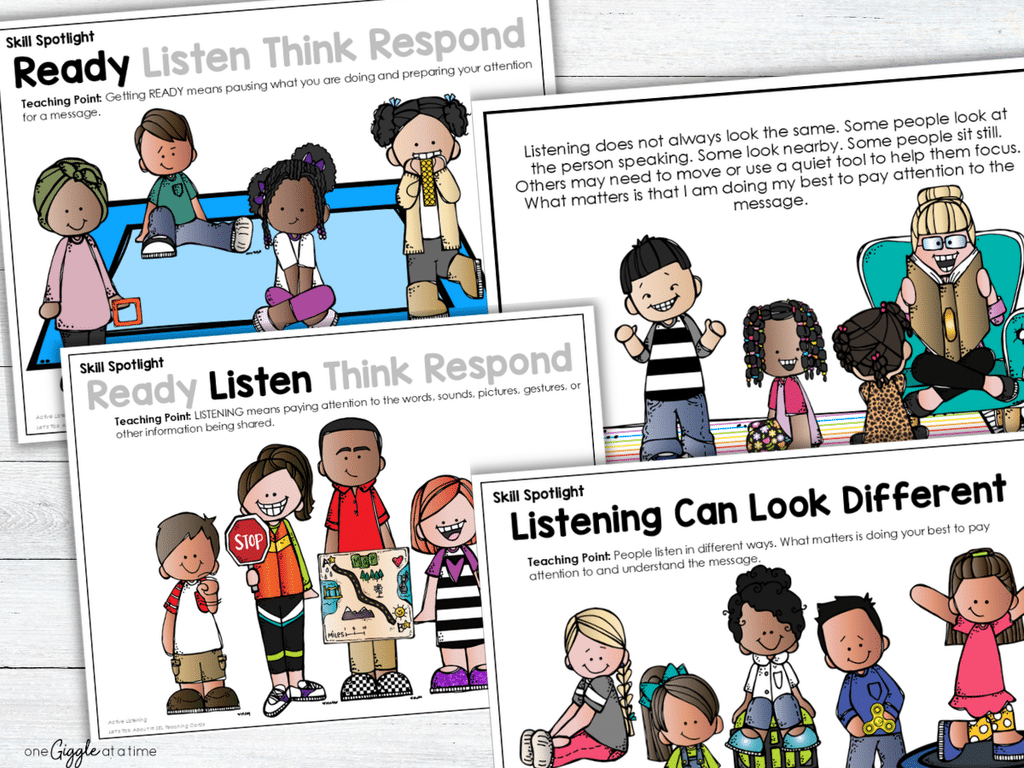
Active listening can look different for different people! Some children may look directly at the person who is speaking, while others choose to look nearby. Some children will sit very still while listening, and others will need to wiggle their bodies or use a quiet tool to stay focused.
The goal is not to teach children how a listener should look but to instead teach them how to be ready to pay attention to, understand, and respond to a message in a way that works for them!
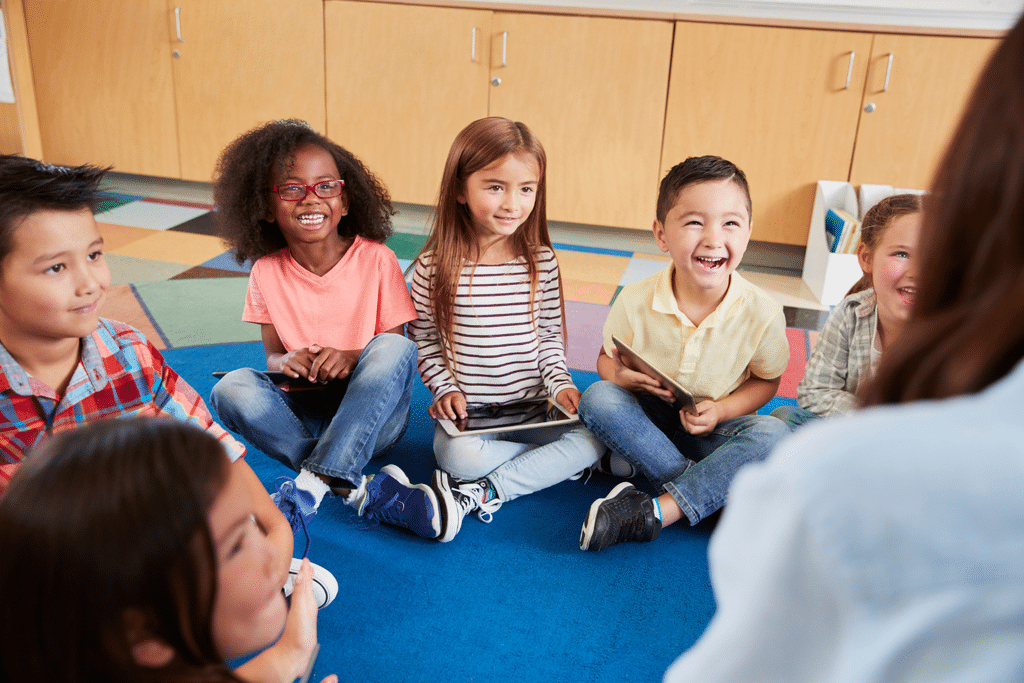
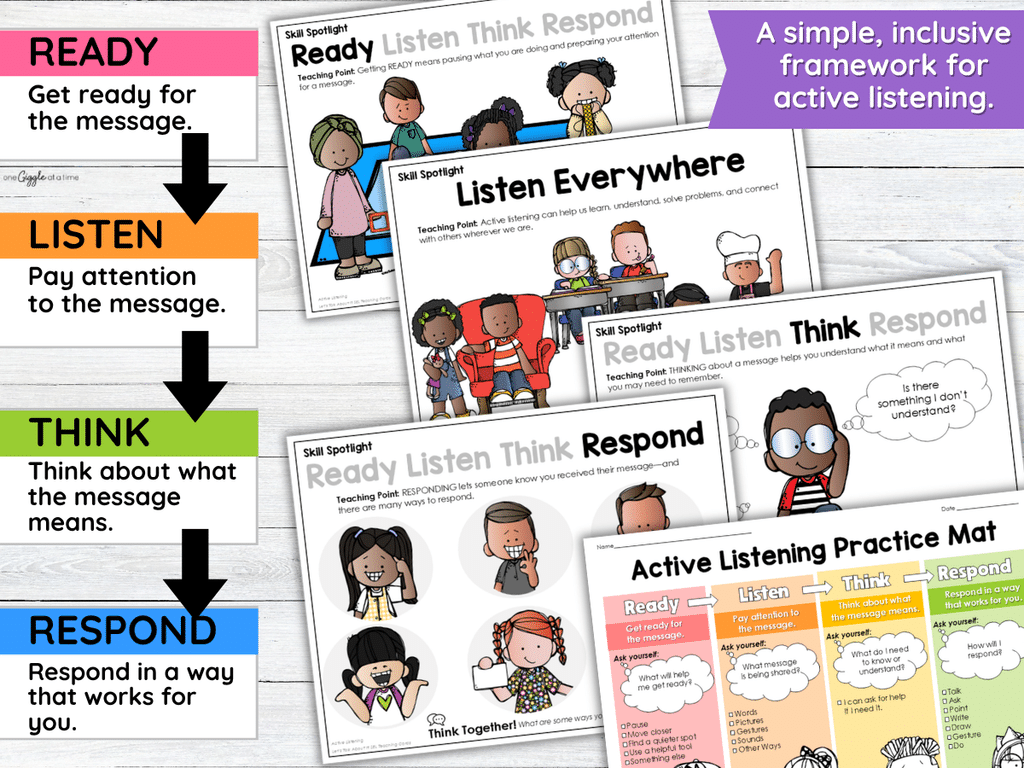
A helpful way to teach students what this means is:
- Ready
- Listen
- Think
- Respond
Children should also know that asking for a question or information to be repeated, clarified, or reworded is an important part of communication. They can also ask for extra thinking time—if that’s what they need!
Students are more likely to develop deeper relationships with peers when others recognize they invested in their words.
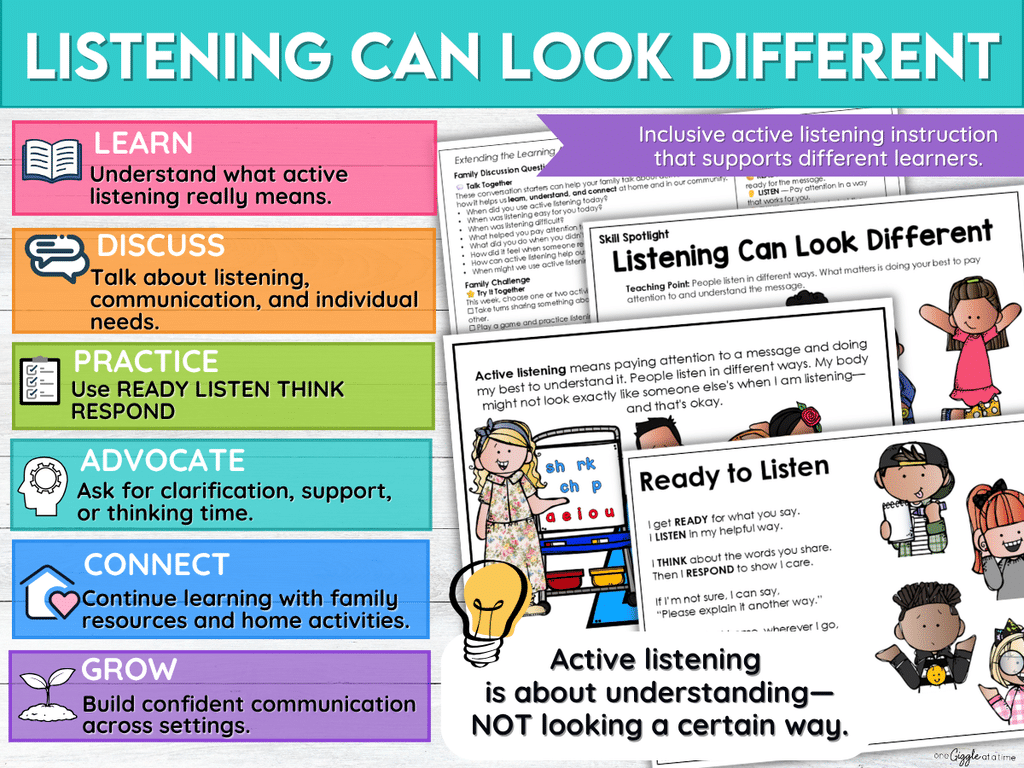
Active Listening and Neurodivergent Learners
Recognize that active listening can look different for neurodivergent learners.
As the teacher, avoid traditional expectations like “feet still” and “hands still.” Neurodivergent students may feel the need to fidget or move to process information effectively.
You can support neurodivergent learners by:
- Encouraging “quiet” movement to minimize distractions for other students
- Offering tools like wobble cushions, a bouncy band, or handheld fidgets
- Giving reminders as needed
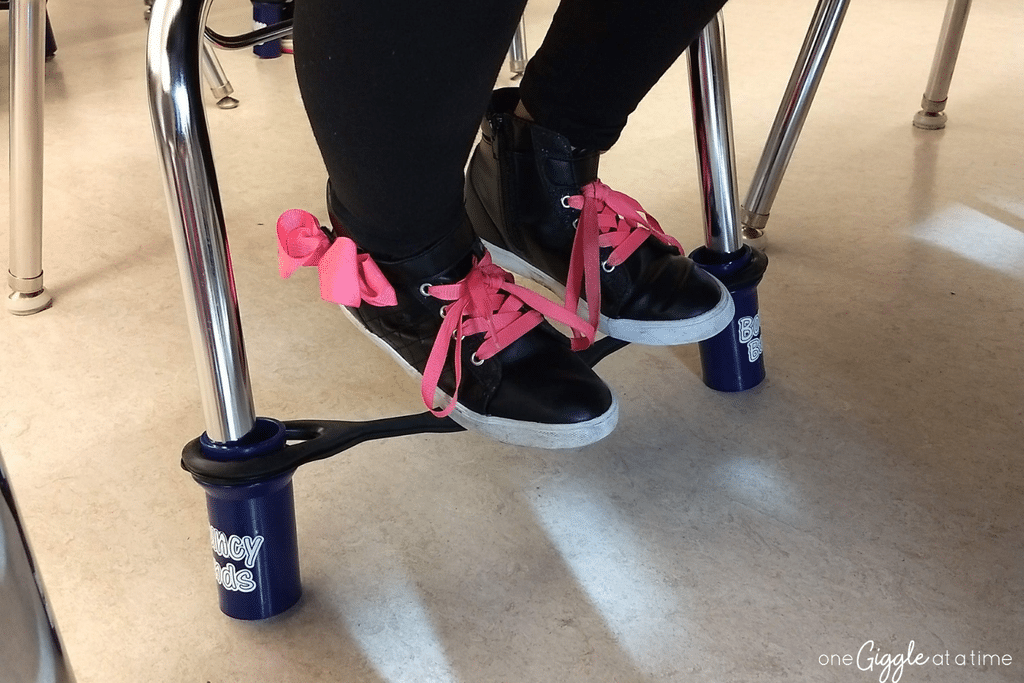

The goal isn’t perfection— it’s progress! Every opportunity to practice active listening helps children become more confident communicators and discover the listening strategies that work best for them!
But Why are Active Listening Skills Important?
Essentially, active listening is the cornerstone of effective communication and academic success!
Academic Benefits
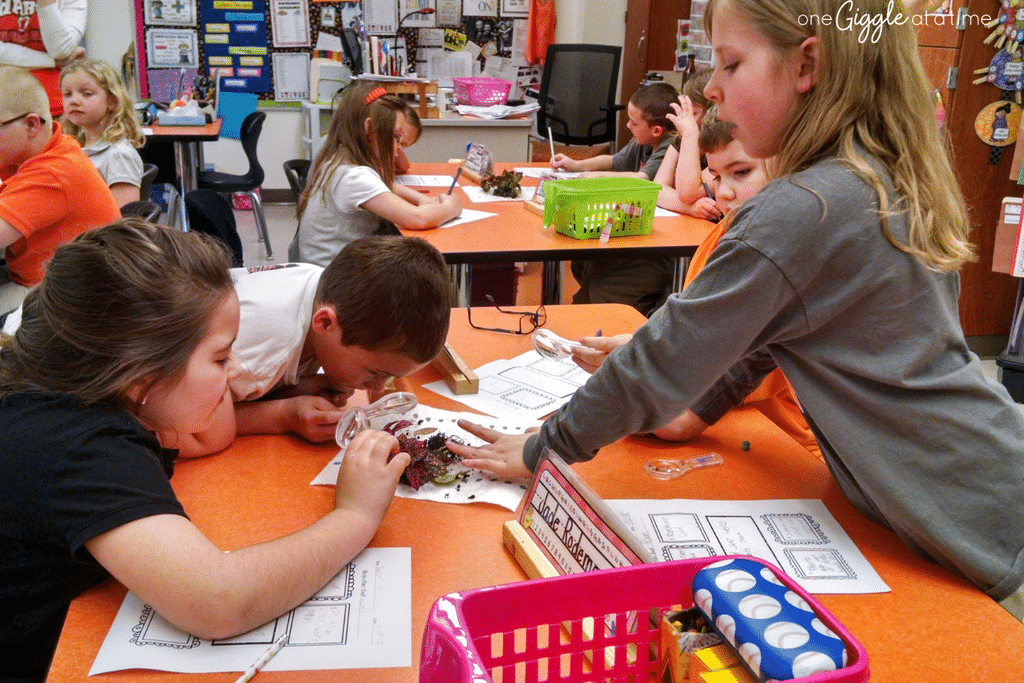
Active listening offers many academic benefits for students in the classroom!
It helps students:
- Understand instructions more clearly
- Build relationships with peers and teachers
- Absorb and retain information more easily
- Develop critical thinking skills
- Avoid conflicts and misunderstandings
When students can do all of these things more easily, their self-confidence rises. Confident students are eager to participate in learning and work towards achieving personal academic success!
Benefits Beyond School
Active listening skills carry with students beyond the classroom and into the home and community.
Students show:
- Increased empathy
- Peer relationships
- Improved job performance later in life
Students who learn and practice active listening skills in school are better prepared for life after school years.
How to Teach Active Listening Skills to Students
Teaching active listening skills doesn’t have to be hard. Teach your students what is expected, model these skills, and use done-for-you resources to reinforce learning.
Model It!
Demonstrate appropriate active listening skills as your students and other teachers communicate with you.
Provide opportunities for reflection. Ask students to evaluate how you have been doing when they speak to you, and encourage them to reflect on their own application of these skills, too.
Use Done-for-You Resources
Social skills stories and related activities help ensure students understand what is expected of them and how to apply these skills.
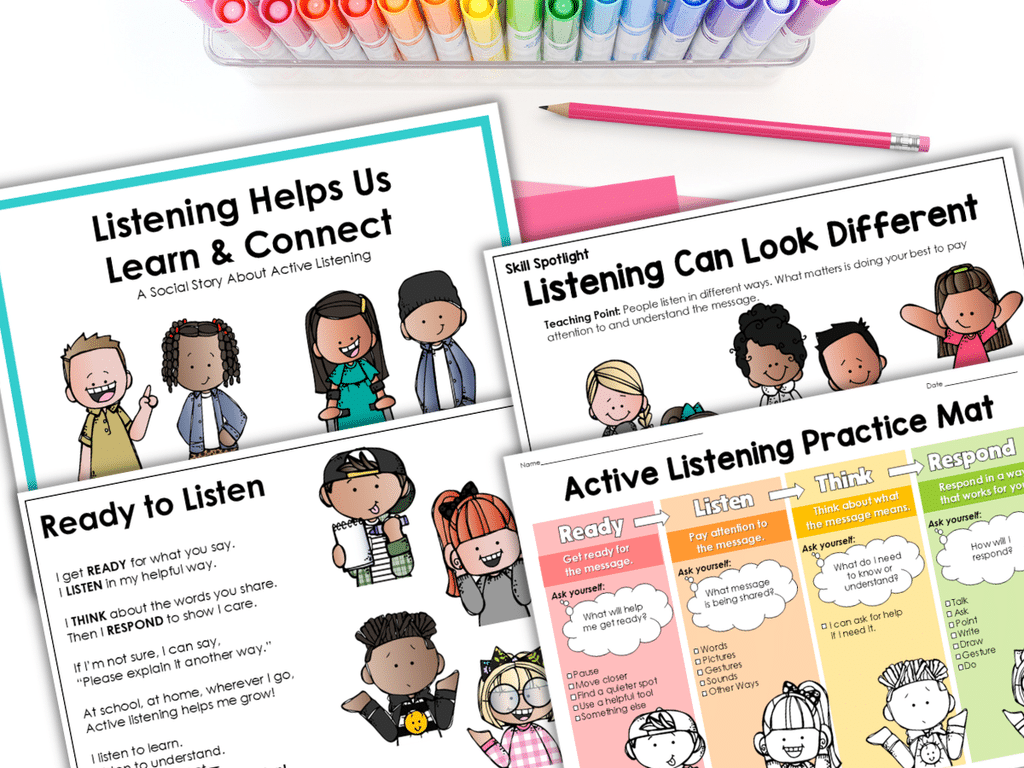
This Active Listening Social Skills Set is designed with kid-friendly language and easy-to-implement activities and resources, including:
- Classroom Social Story
- Personal Social Story Reader
- Discussion Questions
- Class Pledge
- Active Listening Toolbox
- Teaching Cards
- Poetry Poster
- Parent Letter
- Adult Notes & Discussion Guide
- & SO MUCH MORE!
Use these activities for individual instruction, small groups, or whole-class learning!
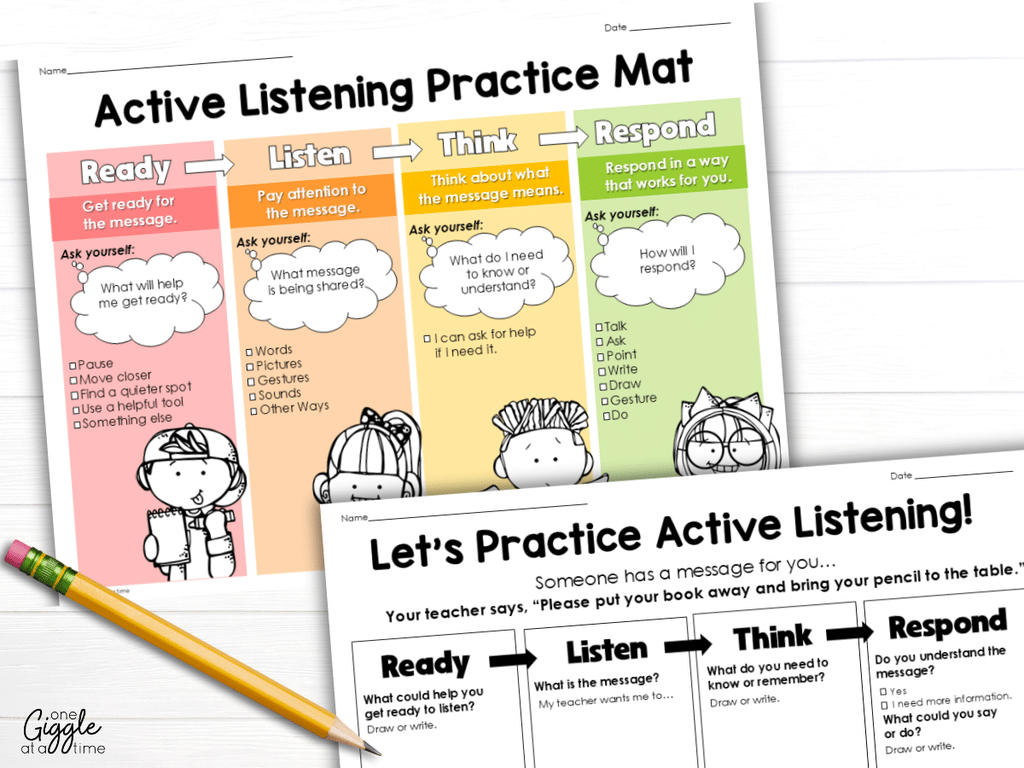
Social skills stories and fun activities promote positive choices and facilitate productive conversations. All of this leads to easier classroom management for you and a better classroom community for all!
Don’t doubt your ability to teach your students important active listening skills this year! These skills will help them succeed in your classroom and for the rest of their lives. How lucky your students are to have such an amazing teacher like you!
Let me know if you have any questions about anything you see here. Don’t forget to pin this post to refer to it later!
Other posts you may enjoy:
Separation Anxiety in Children: 8 PROVEN Strategies for Smooth Transitions
The Importance of Using Emotional Regulation Strategies in the Classroom
11 ENGAGING Ways to Teach Social-Emotional Learning in the Classroom
GUIDE STUDENTS IN DEVELOPING A GROWTH MINDSET WITH THESE
Free Growth Mindset Punch Cards
The perfect way to start meaningful habits and conversations with your students!


Diane Romo
I’m so glad you’re here! I share practical ideas and ready-to-use resources for teachers, parents, homeschoolers, and counselors who want to foster strong relationships and inspire meaningful learning. If you support kids, this space is for you.