





Teaching Gratitude to Kids: 5 Simple Activities for Classrooms & Home
Share This:
Part 1 of the Gratitude Mini Series
Conversations about thankfulness are common this time of year, but teaching gratitude to kids goes far beyond asking them what they’re thankful for before Thanksgiving break. True gratitude is a skill that helps children develop empathy, a growth mindset, kindness, and stronger relationships with others all year long. As a teacher, school counselor, or homeschool parent, you’ve likely noticed that kids often struggle to see the good around them. They may complain when things don’t go their way, compare themselves to others, or focus on what they don’t have. The good news— gratitude can be taught! With intentional conversations and simple daily habits, you can help children develop a mindset of appreciation that goes far beyond the holiday season.
In this first post of the 2-part gratitude series, you’ll discover what gratitude really means, why it matters for children, and 5 practical ways for teaching gratitude to kids!
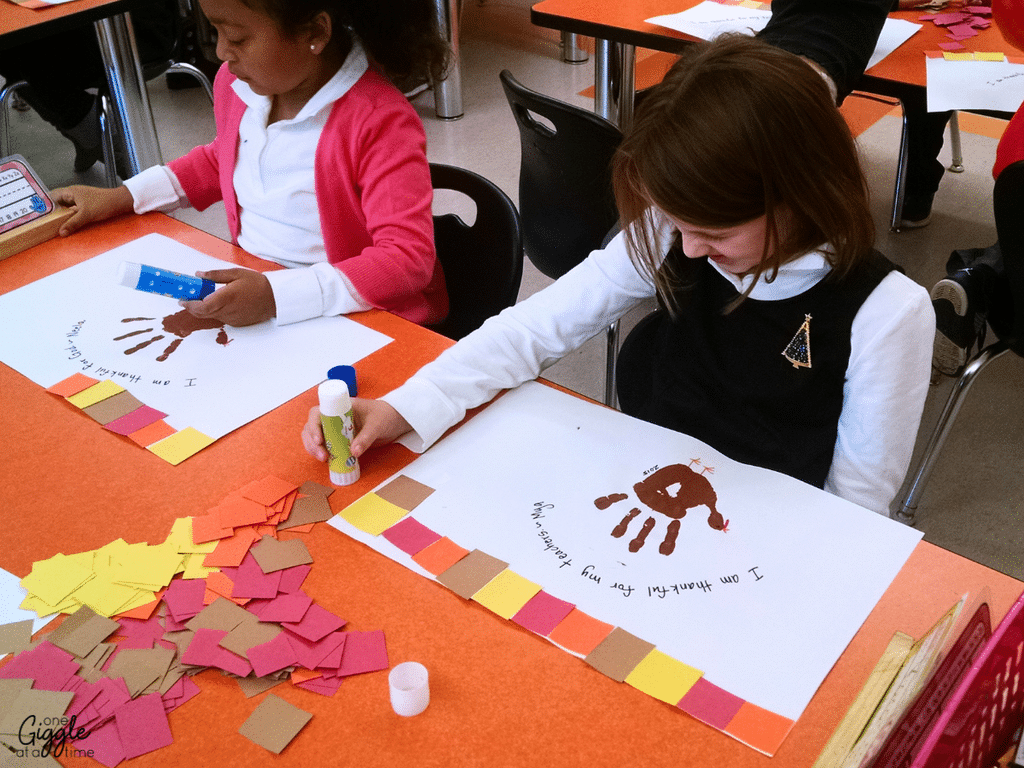
What is Gratitude?
Gratitude is more than just saying “thank you.” It’s recognizing the good things in life and appreciating the people, experiences, and opportunities you have.
For young children, gratitude often starts by noticing.
Instead of automatically expecting something, children start to recognize that someone took time to help them, care for them, teach them, or encourage them.
Explain gratitude in kid-friendly language like this:
“Gratitude means noticing the good things around you and being thankful for them.”
Helping kids understand this simple definition gives them a strong foundation they can build on throughout the rest of their lives.
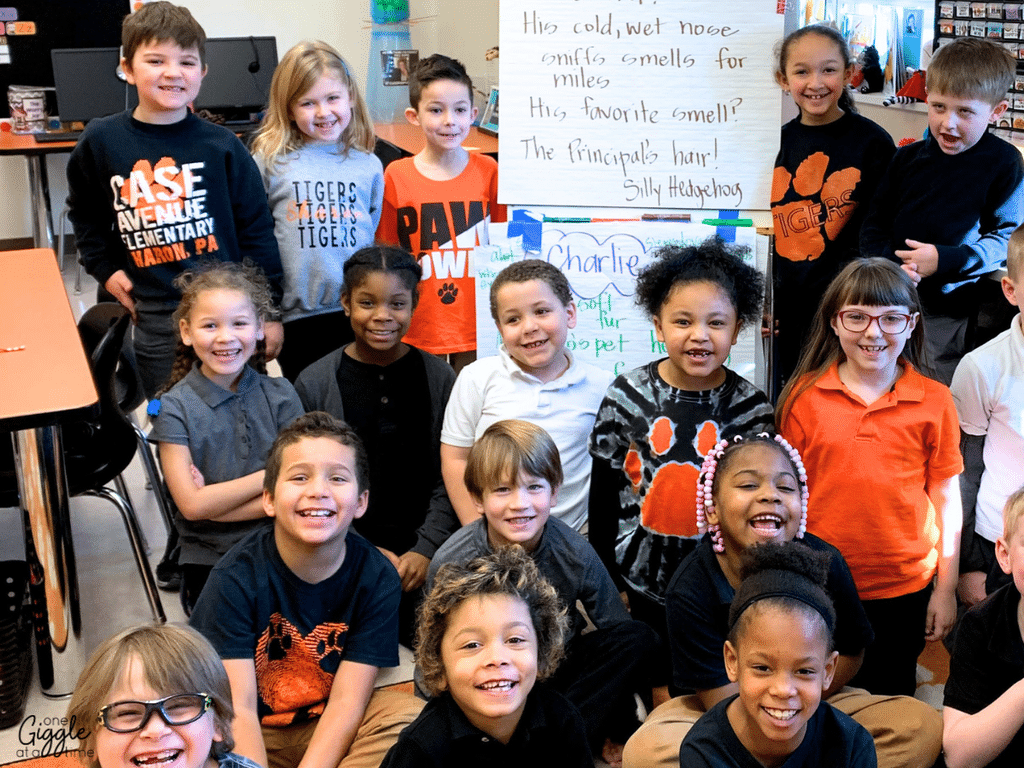
Why Gratitude Matters for Students
You already know—kids aren’t naturally grateful all of the time.
Gratitude is a life skill that develops through modeling, conversations, and lots and lots of practice!
When children regularly practice thankfulness, they start to:
- Focus more on positive experiences
- Build stronger friendships
- Show greater empathy towards others
- Develop resilience and a growth mindset
- Become more thoughtful and kind
- Appreciate what they already have
For teachers and caregivers, gratitude also creates a more positive learning environment for everyone!
Students who intentionally notice acts of kindness are more willing to encourage their classmates and siblings, cooperate during group activities, and show respect to adults.
Rather than forcing children to “be thankful”, your goal is to help them notice the people and moments they may have otherwise overlooked.
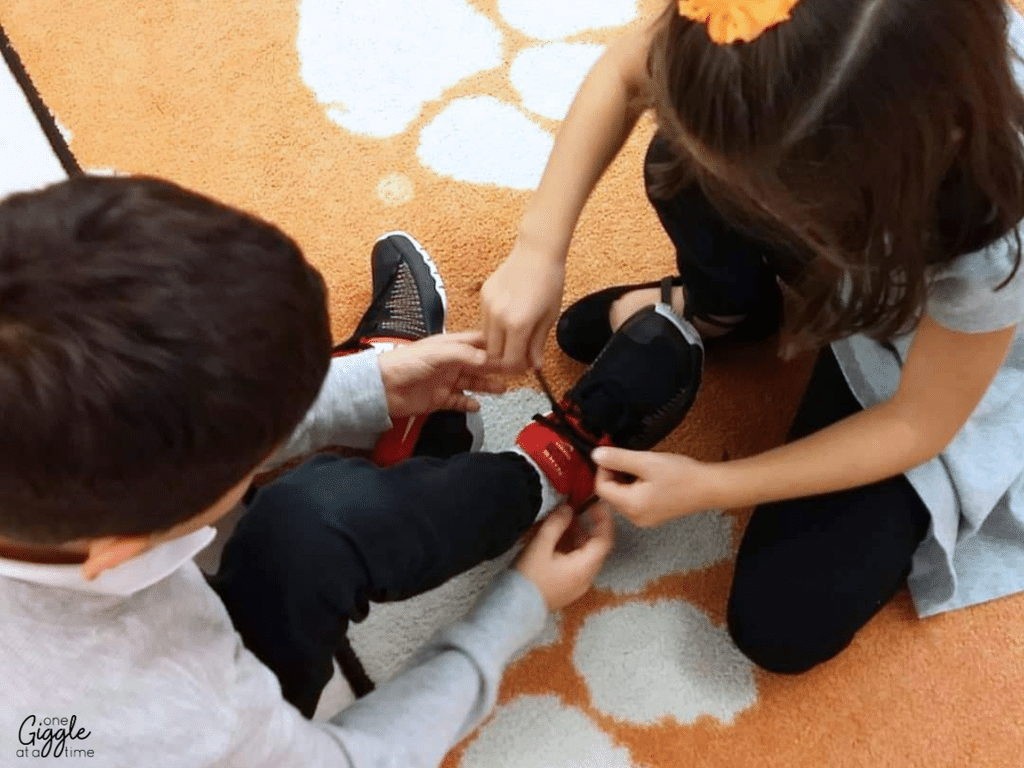
Who and What Can Students Be Grateful For?
Help students expand their thinking of who and what they’re grateful for from the basics like “my toys”, “my dog”, and “pizza” to deeper thoughts like:
People
- Specific family members
- Friends
- Bus drivers
- Neighbors
Experiences
- Visiting the library
- Celebrating birthdays
- Spending time with friends and family
- Reading favorite books
Everyday Blessings
- A safe home
- Food to eat
- Clean clothes to wear
- Healthy bodies
As kids learn to look beyond material possessions, they start to truly recognize the many other things they have to be grateful for and who cares for them every day.
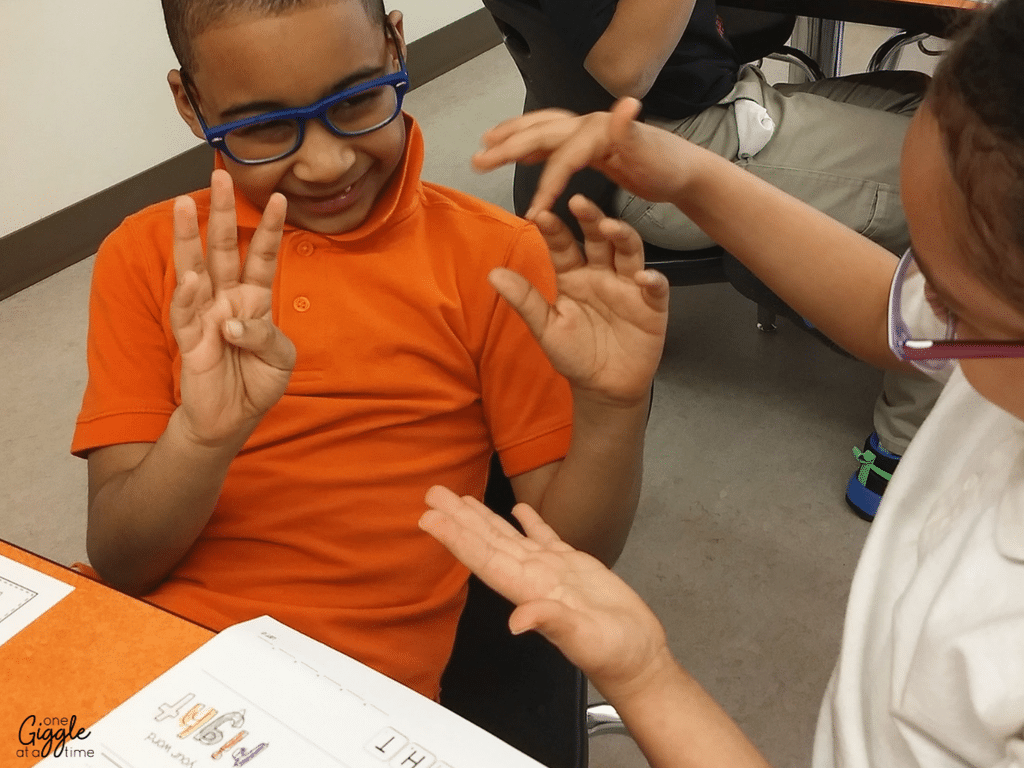
Teaching Gratitude to Kids in 5 Simple Ways
Kids learn best when gratitude becomes a familiar part of everyday life instead of a one-time Thanksgiving activity. Try these 5 easy ways to teach gratitude in your classroom, counseling sessions, or homeschool lessons!
1. Notice One Good Thing Each Day
First, keep gratitude simple!
Regularly ask students questions like:
- Who helped you today?
- What made you smile today?
- What is one good thing that happened?
- What are you looking forward to tomorrow?
Just one daily reflection question like these helps children develop the habit of noticing positive moments and shifting their attention toward gratitude.
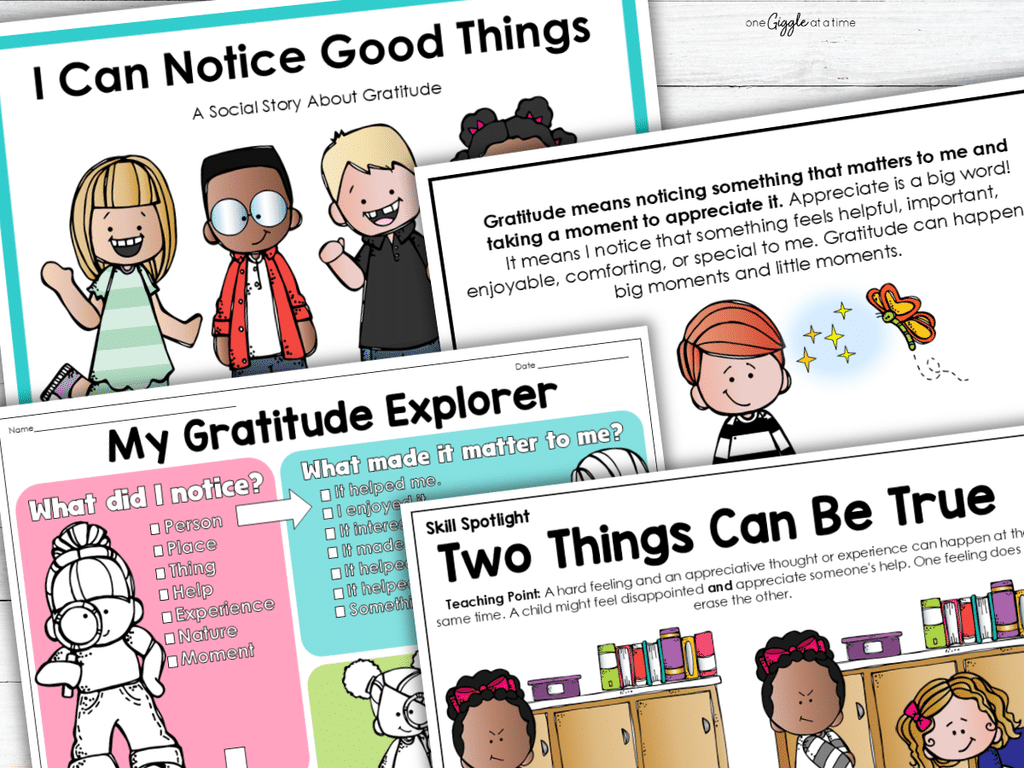
The “I Can Notice Good Things” social story and SEL toolkit has 75 pages of resources to help you teach children that hard feelings and gratitude can exist at the same time!
2. Make Gratitude Specific
Next, make gratitude specific! Instead of saying “I’m thankful for my mom”, encourage students to explain why.
For example:
“I’m thankful for my mom because she makes me breakfast every day and loves me no matter what!”
Specific gratitude helps little minds connect appreciation with real-life moments.
*This post contains some affiliate links. As an Amazon Associate, I earn from qualifying purchases.
3. Read Books That Encourage Thankfulness
Stories are another great way for teaching gratitude to kids! Engaging stories naturally spark meaningful conversations.
Consider adding these two favorites to your personal or classroom library:
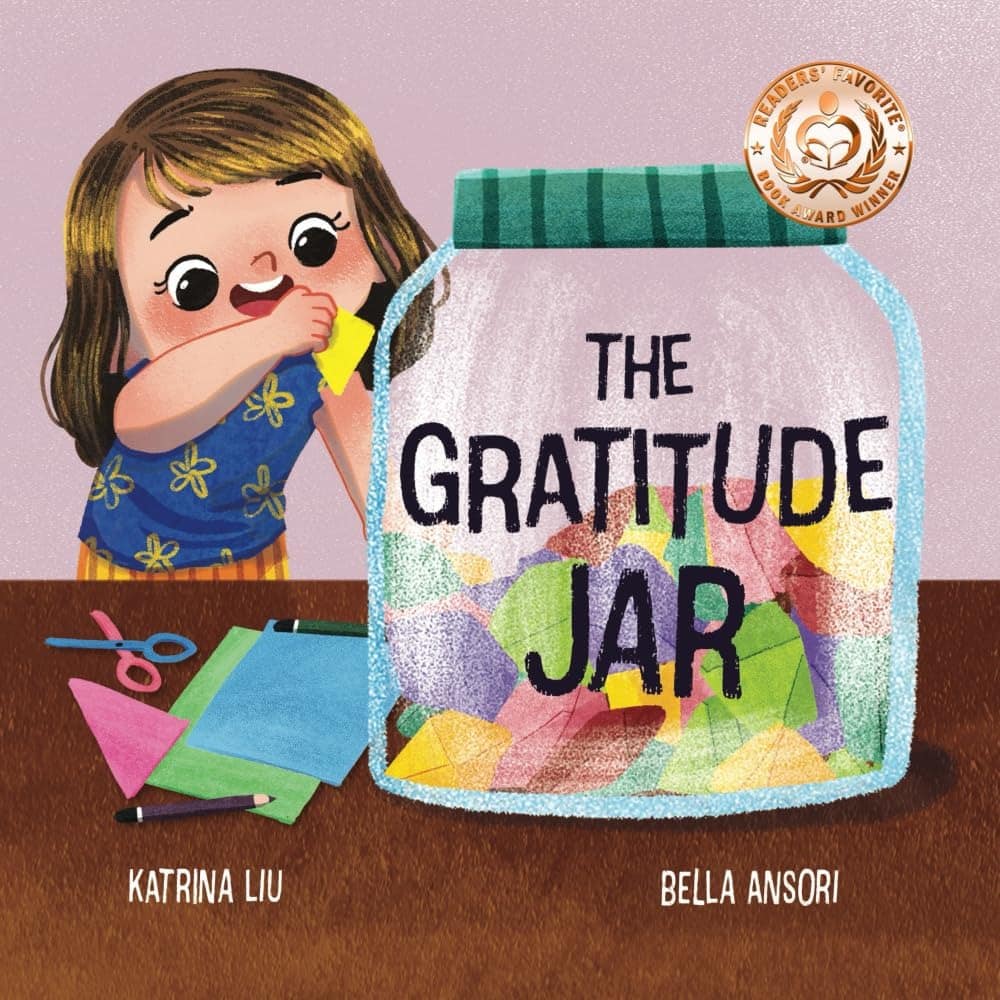
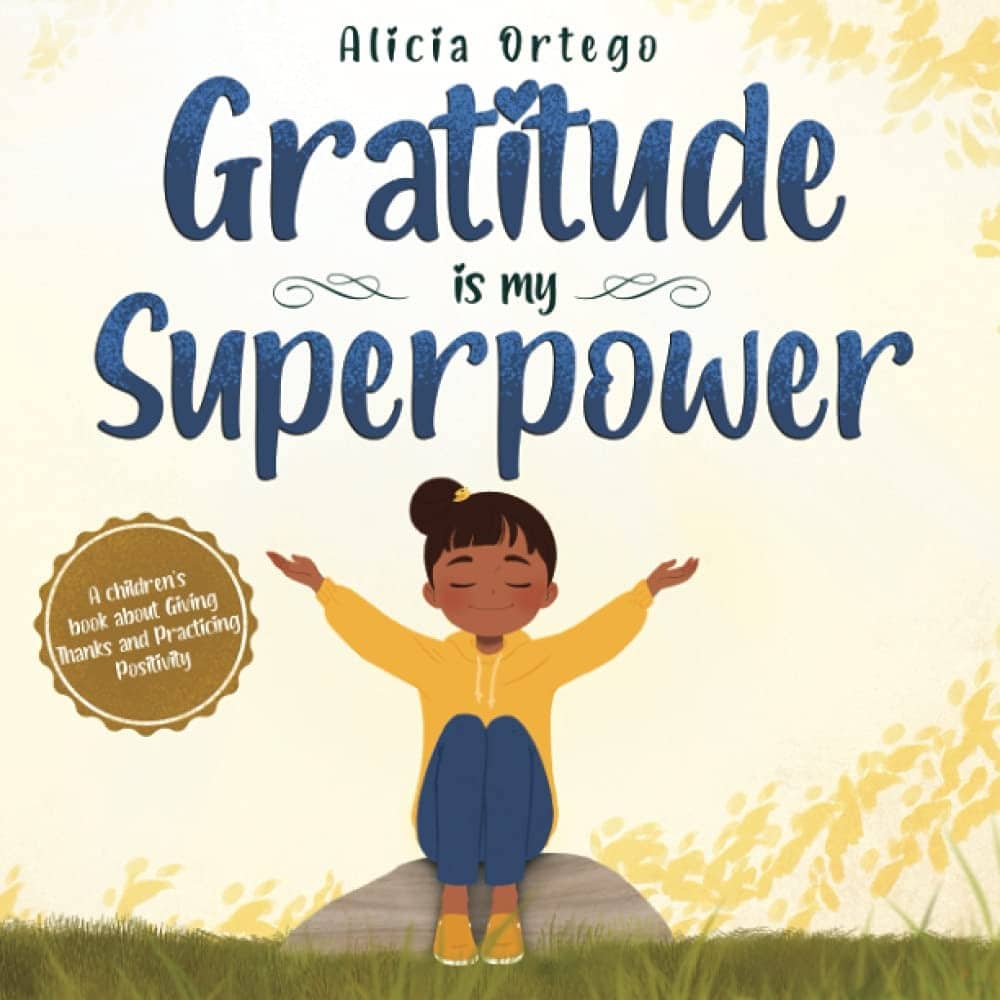
- What was the character thankful for?
- How did gratitude change the story?
- What would you have done?
- When have you shown gratitude?
Books help kids see gratitude in action and make lasting connections to their own lives.
4. Create a Gratitude Routine
As you know, children thrive on routines!
Choose one simple gratitude activity and repeat it often.
Consider ideas like:
- Sharing a thought of thankfulness during Morning Meeting
- Creating a classroom gratitude journal
- Special discussion time on “Thankful Thursday” each week
- Gratitude jar you read from while waiting for dismissal each Friday afternoon
Small routines like these usually have a greater impact than large one-time projects.
Get your own free gratitude journal to help kindergarten through 4th grade students practice gratitude with simple daily prompts. It only takes a few minutes each day!
5. Model Gratitude Yourself
Finally, kids notice what you do so much more than what you say. Let your students hear you express appreciation often—towards others and them!
“I’m thankful we worked together today!”
“I appreciate how everyone cleaned up so quickly after small group time.”
“I’m grateful for the ways our janitor keeps our school clean.”
Your words show students that gratitude is something that can be used every day.
Make Gratitude Hands-On
This year, use the Roll a Turkey Gratitude Craft as a fun, themed activity to practice math skills, literacy skills, writing skills, and creativity while teaching kids about gratitude!
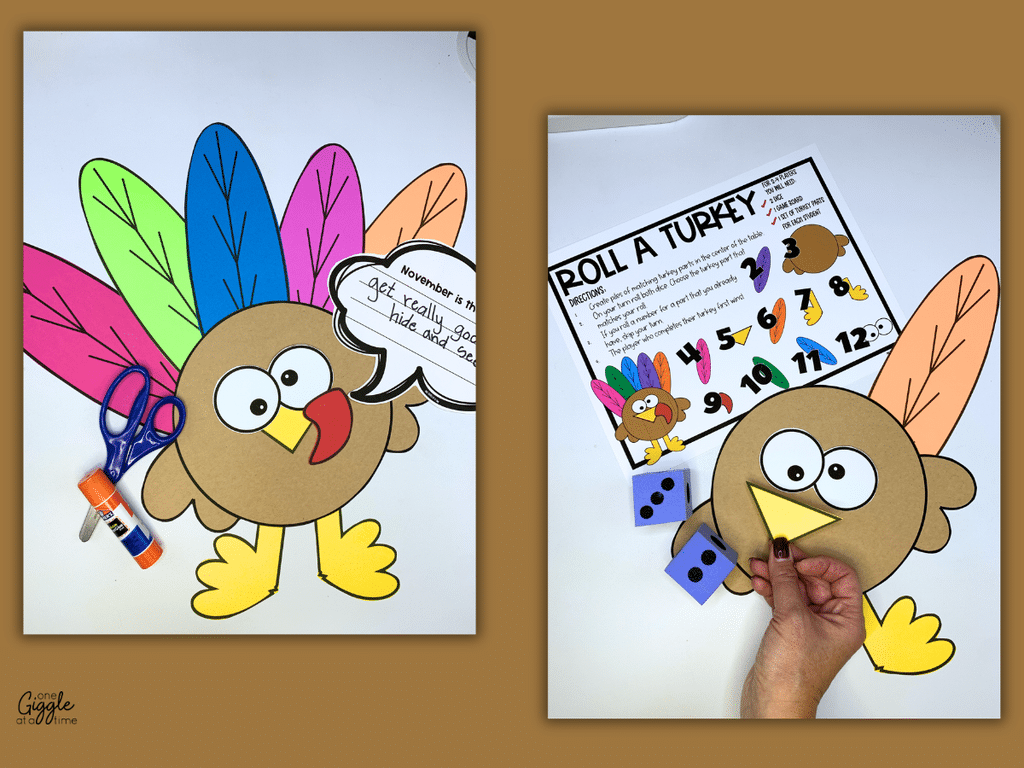
This activity helps students:
- Practice rhyming skills by playing “I Have, Who Has”
- Build fine motor skills and practice following directions
- Remember who they’re thankful for while creating a fun Thanksgiving craft
It’s the perfect addition to your November literacy centers, morning work, homeschool lessons, or counseling groups and gives you an easy “in” to meaningful conversations about thankfulness in an age-appropriate way!
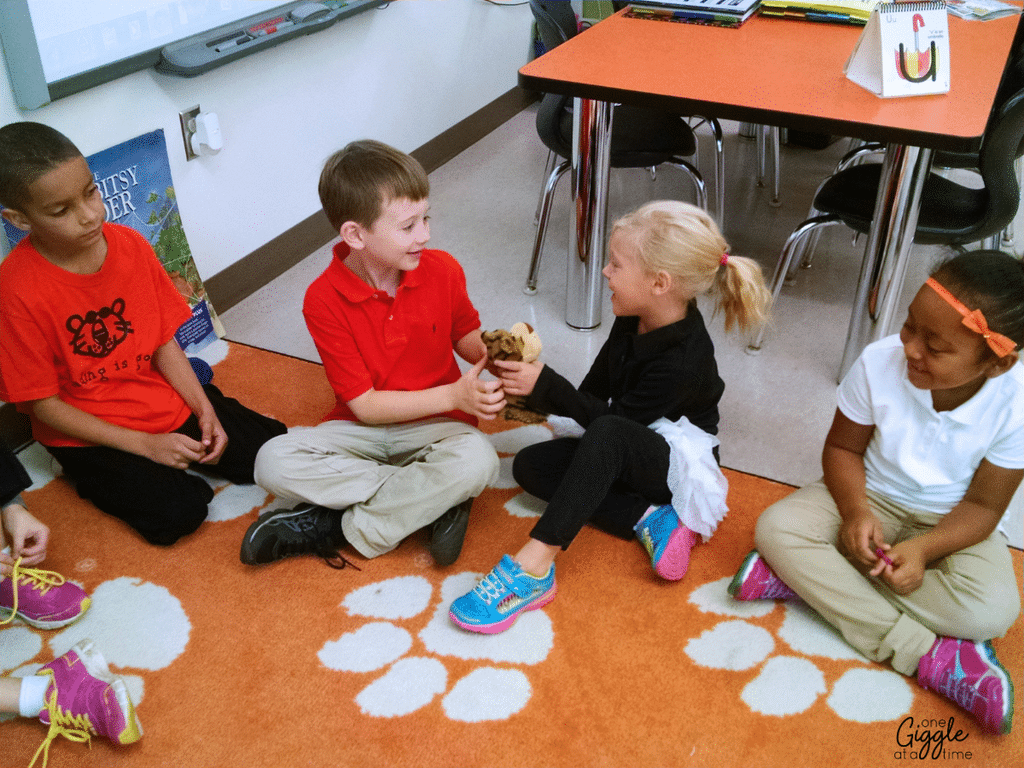
Teaching gratitude to kids doesn’t require elaborate lessons or perfectly planned out answers. It simply requires helping children slow down to notice the people, experiences, and everyday blessings around them. By building a few intentional gratitude habits into your daily routine at school or home or into your counseling sessions, you’ll help students develop appreciation that goes far beyond this holiday season!
And don’t forget to come back next month for Part 2 of the Gratitude Mini Series, where we will explore how to teach children gratitude when receiving gifts during the holidays—and understanding the true heart behind giving and receiving.
Let me know if you have any questions about anything you see here. Don’t forget to pin this post to refer to it later!
Other posts you may enjoy:
How To Turn Your Students Into Adorable Singing Turkeys For Thanksgiving
The Importance of Teaching Emotional Awareness to Kids
Holiday SEL: How to Support Your Child’s Well-Being and Emotional Health in 5 Easy Steps
GUIDE STUDENTS IN DEVELOPING A GROWTH MINDSET WITH THESE
Free Growth Mindset Punch Cards
The perfect way to start meaningful habits and conversations with your students!


Diane Romo
I’m so glad you’re here! I share practical ideas and ready-to-use resources for teachers, parents, homeschoolers, and counselors who want to foster strong relationships and inspire meaningful learning. If you support kids, this space is for you.