





How to Build Confidence in a Sensitive Child by Teaching Them to Speak Up in 4 Easy Steps
Share This:
If you’re wondering how to build confidence in a sensitive child, you’re not alone! Many elementary-aged kids experience deep emotions, notice everything, and struggle to speak up when things don’t feel right. Whether you teach in a classroom or guide learning at home, you play a powerful role in helping your child learn important self-advocacy skills as they speak up, share their feelings, and set appropriate boundaries. Teaching kids how to speak up isn’t about being loud or disrespectful—it’s about expressing their thoughts in calm, respectful ways. When you intentionally teach these skills, you help sensitive kids build confidence without losing their kindness towards others!
Why Speaking Up is Especially Important for Sensitive Kids
Sensitive children can feel emotions strongly a lot of the time, but also keep those feelings inside. They might worry about upsetting others, getting in trouble, or standing out too much. Without support from trusted adults, this can lead to frustration, anxiety, or even emotional shutdowns.

When you focus on teaching these kids how to speak up for themselves, you show them that their thoughts and feelings matter just as much as everyone else’s! Teaching self-advocacy skills helps sensitive learners understand that they can share their needs calmly and kindly without being perceived as “mean” or “bossy.”
Learning to speak up helps kids:
- Ask for help instead of struggling quietly
- Express feelings with words instead of behaviors
- Set appropriate limits with others
- Feel safer and more confident in social situations
These skills are ESSENTIAL when you’re learning how to build confidence in a sensitive child who already feels the world around them so deeply.
How to Build Confidence in a Sensitive Child by Teaching Them to Speak Up
Teaching kids to speak up doesn’t require long lessons or constant correction. Build confidence by speaking positively, practicing gently with your child, and modeling support.
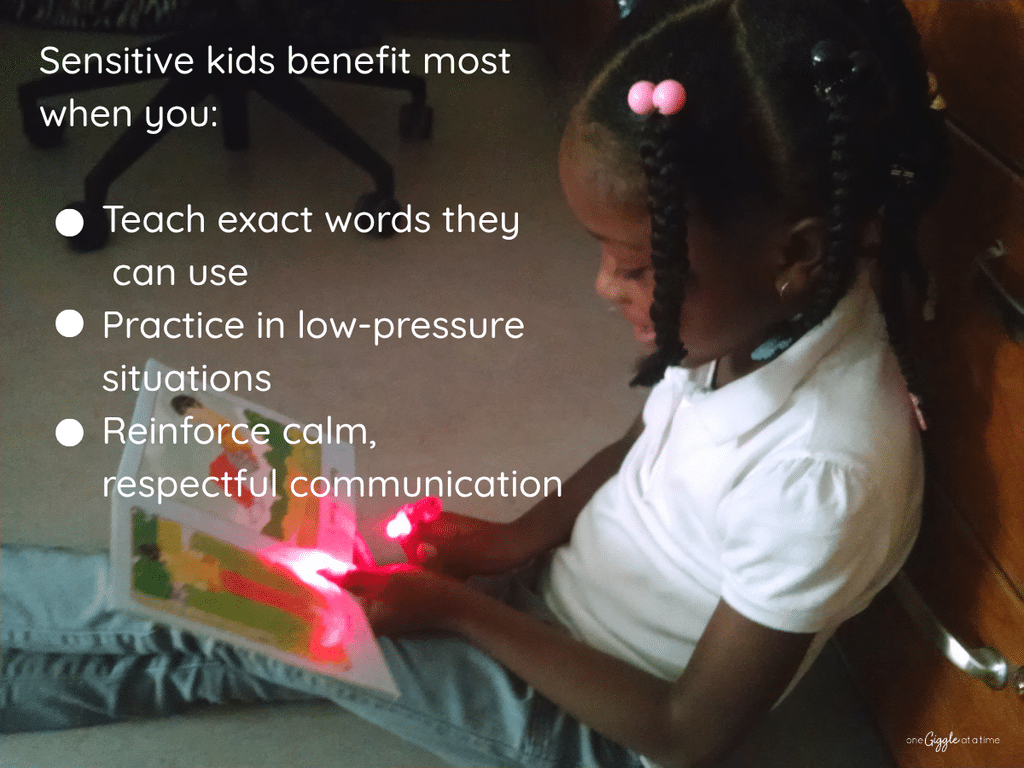
When you focus on how to build confidence in a sensitive child, speaking up becomes a daily skill— not a single lesson!
Sensitive kids benefit most when you:
- Teach exact words they can use
- Practice in low-pressure situations
- Reinforce calm, respectful communication
Speaking up should feel empowering— not overwhelming! When you break the skill into small, manageable steps, kids gain confidence naturally over time.
Use a Social Story to Build Confident Voices
One of the most effective ways to teach speaking up, especially when you are learning how to build confidence in a sensitive child, is through an age-appropriate and kid-friendly social story!
Social stories help children see themselves in real-life situations without pressure.
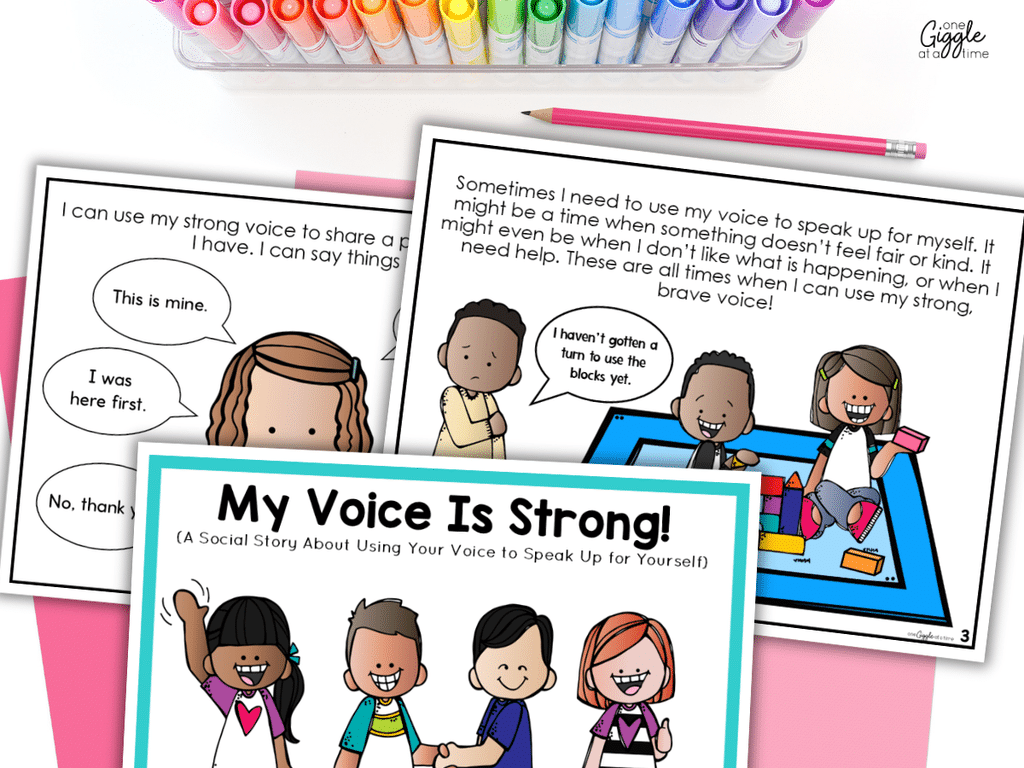
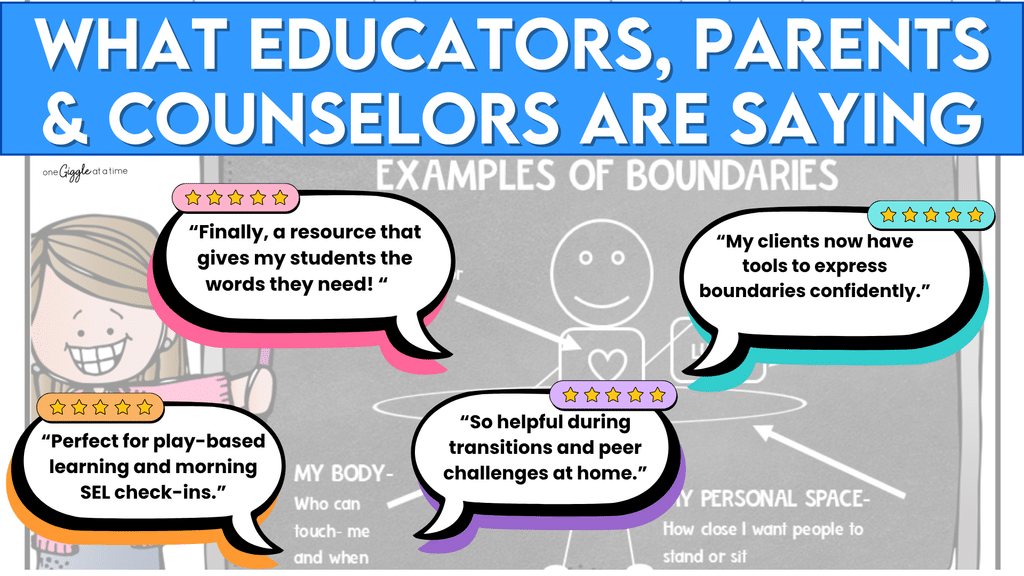
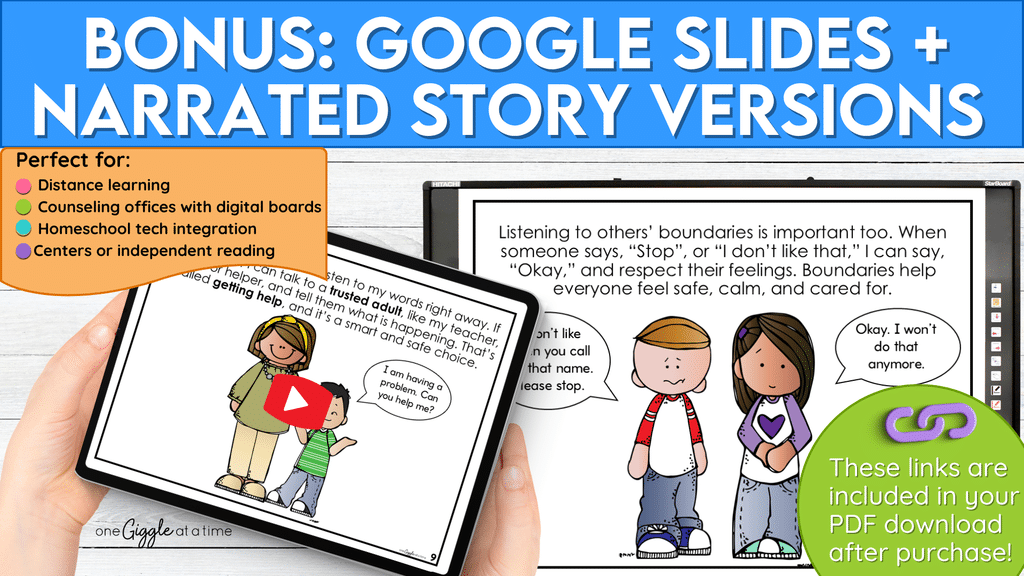
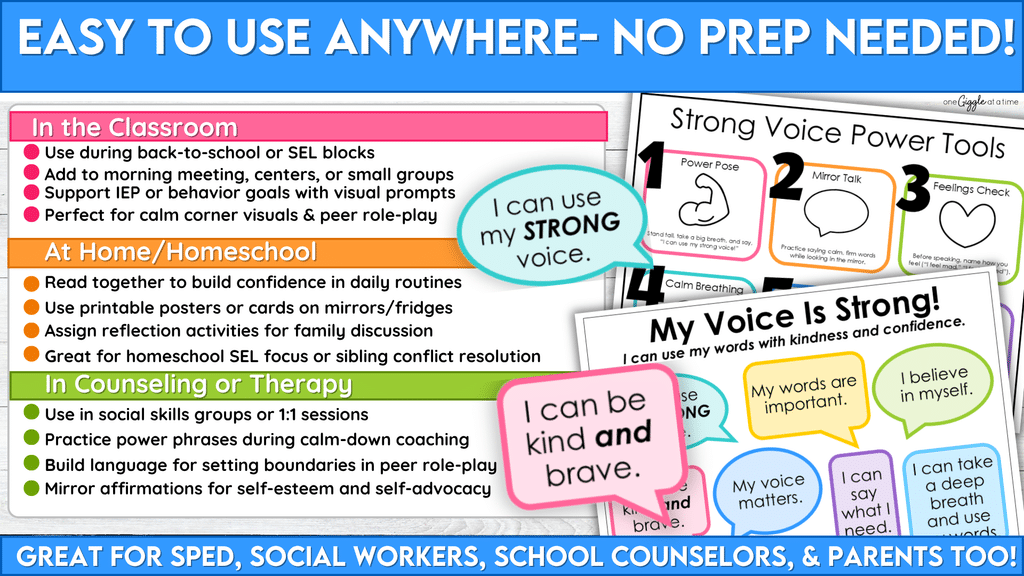
The Speaking Up Social Story & SEL Activity Resource is designed to help sensitive kids understand how to express their feelings respectfully and set healthy boundaries while using kind, brave words.
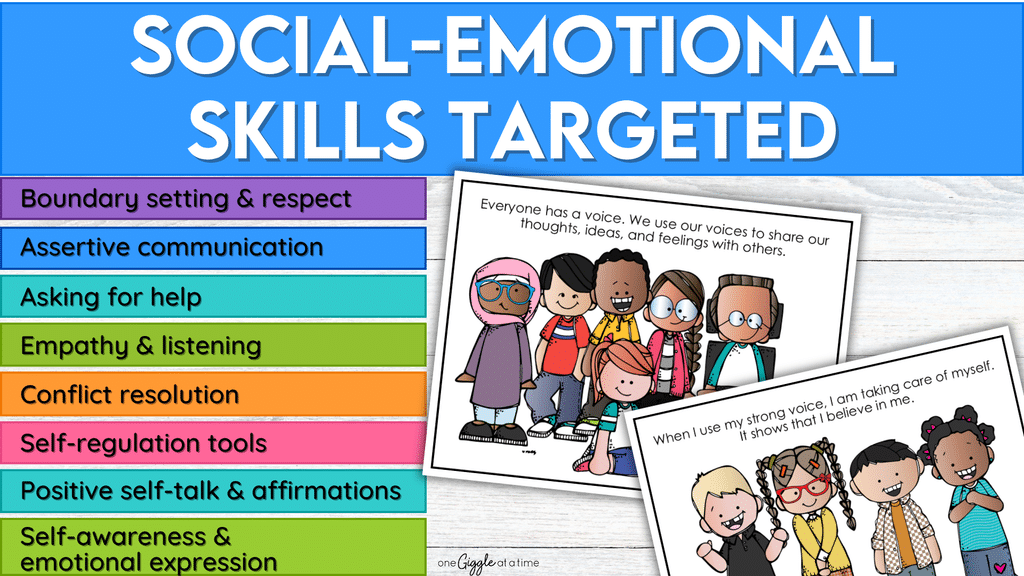
This resource includes the full-color social story “My Voice is Strong!” along with several hands-on social emotional learning activities that help kids practice:
- Self-advocacy and assertive communication
- Identifying and expressing feelings
- Setting and respecting boundaries
- Calm communication and problem-solving skills
Creating Consistency Between Home and School
Kids thrive when they hear the same language in all of their familiar environments. When you align expectations and vocabulary at home and school, kids feel safer practicing their new skills.
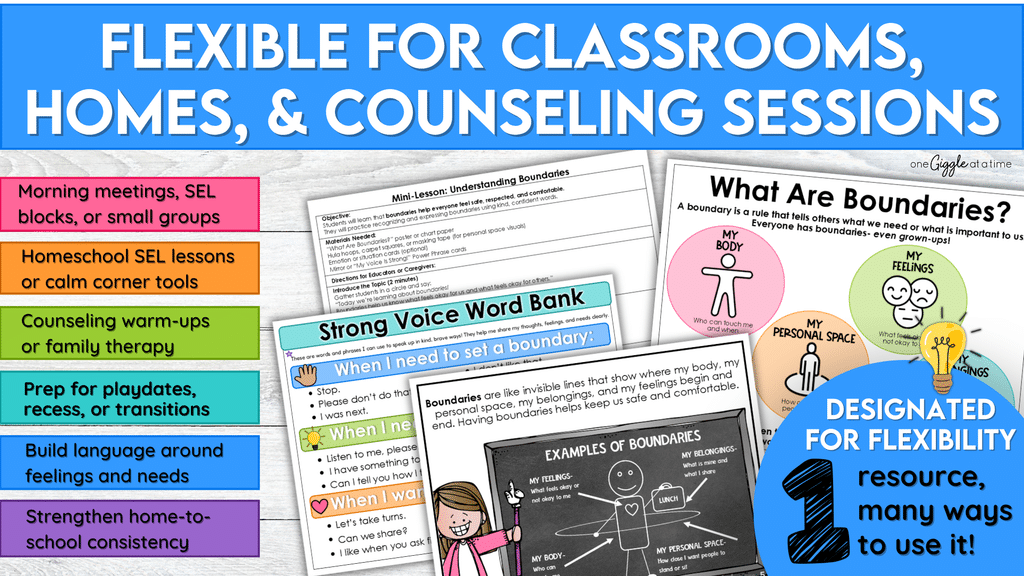
Easily & confidently use the Speaking Up Social Story & SEL Activity Resource in a variety of settings. It’s perfect for:
- Morning meetings or Feelings Circles
- Homeschool social-skills lessons
- Counseling sessions or small groups
- Family read-alouds
- Independent calm-corner reflections
Consistency helps children internalize speaking up as a normal skill, rather than a risky behavior.
More Simple Ways to Teach Speaking Up at School and Home
Support this new skill of speaking up in ways that work for both the classroom and home environments. Whether you’re an elementary teacher, a homeschooling parent, or an involved parent who wants to carry over important skills at home, these simple steps will work for you!
1. Teach Self-Advocacy Language
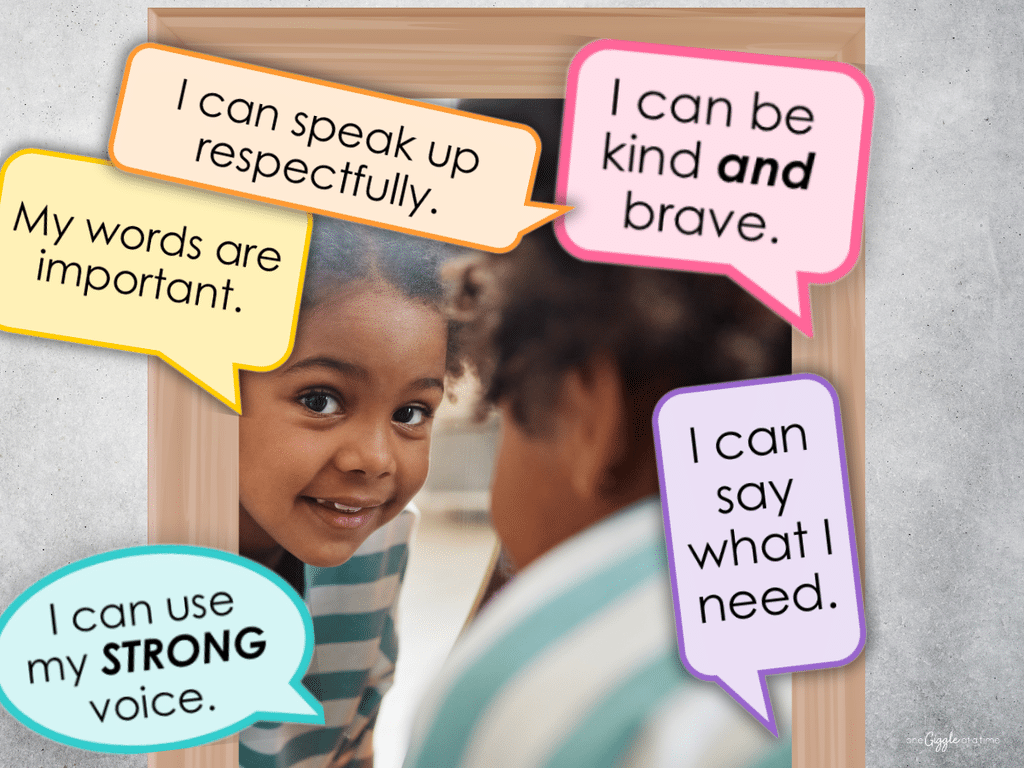
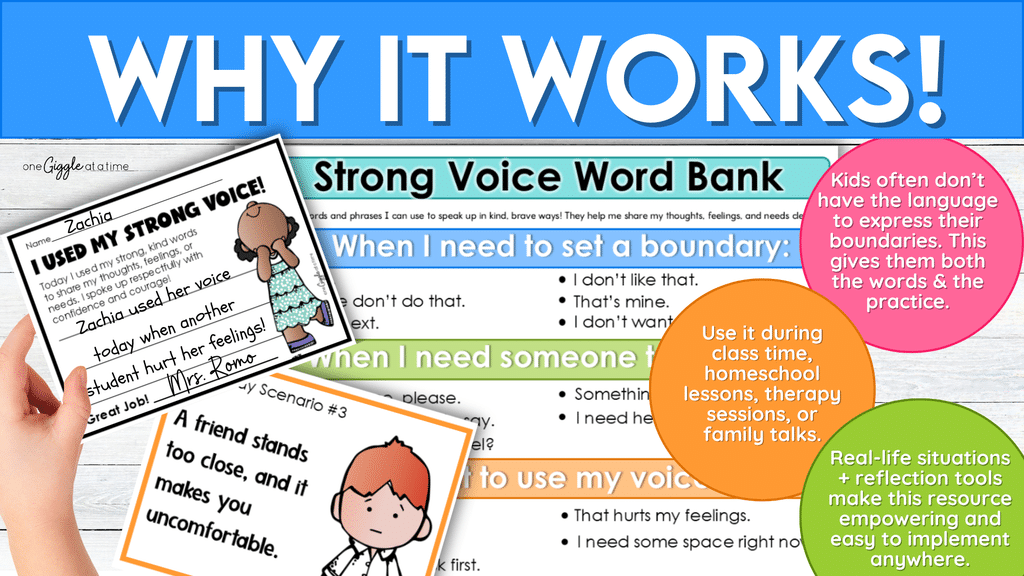
Kids cannot advocate for themselves if they don’t know what to say. Model and practice simple, respectful phrases such as:
“I need help, please.”
“That made me feel uncomfortable.”
“I need a break.”
“I don’t like that.”
Modeling clear language removes guesswork and gives sensitive children the confidence they need to speak up!
2. Role-Play Together
Next, use role-play to build comfort and confidence. This gives kids a safe way to practice speaking up before real situations happen.
You can act out common scenarios together, like:
- A peer interrupting or taking an item away from the child
- Feeling overwhelmed by lots of noise or a new activity
- Needing help with schoolwork or a daily routine
Practicing ahead of time makes speaking up feel less scary and more automatic when a real situation arises.
3. Acknowledge Feelings Before Redirecting
As you practice specific phrases and role-play with your child, it’s important to also validate feelings as they come up. This helps children feel safe using their voice. Acknowledge feelings before redirecting them back to the task at hand.
Try statements like these:
“I see that you’re upset.”
“That sounds very frustrating.”
“It’s okay to feel that way.”
Once feelings are validated, kids are more open to learning what to say next.
4. Reinforce Boundaries Often
Finally, reinforce boundaries a lot! Sensitive kids need reassurance that boundaries are allowed and that they are important to uphold. You support setting boundaries when you honor a child’s words and model respectful responses to others’ limits throughout daily tasks.
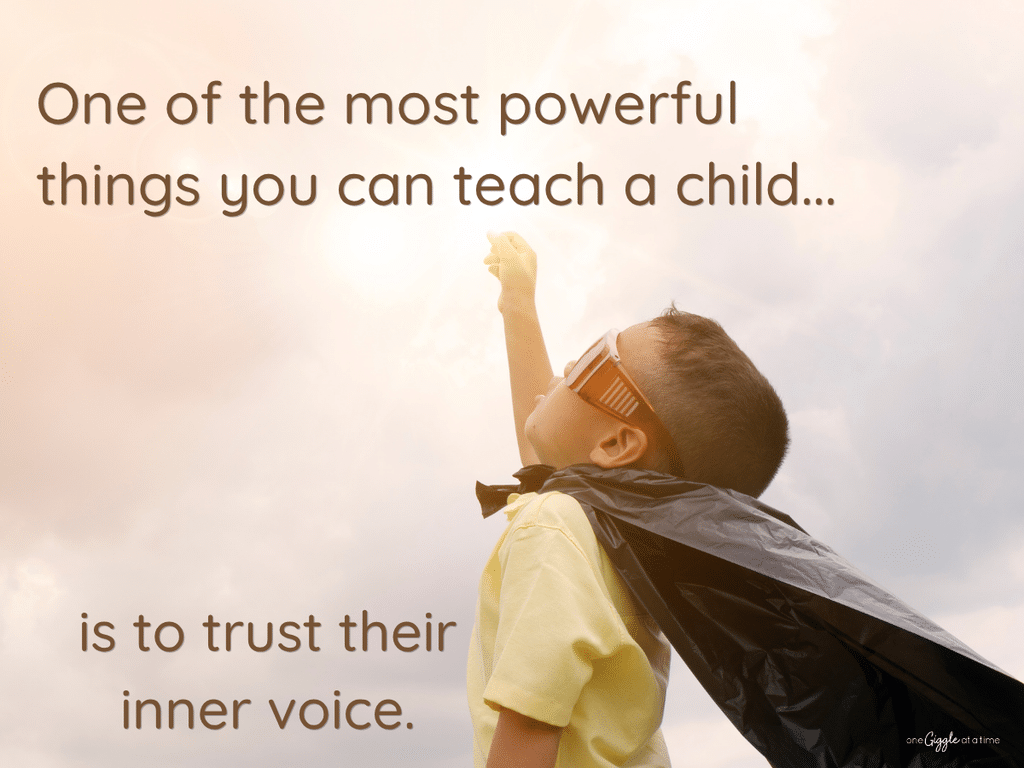
When you focus on how to build confidence in a sensitive child, teaching them to speak up is one of the most powerful places to start! You aren’t asking your child to change who they are— you’re giving them essential tools to protect their feelings, express their needs, and trust their inner voice.
Let me know if you have any questions about anything you see here. Don’t forget to pin this post to refer to it later!
Other posts you may enjoy:
Unlock Success: Why Teaching Kids Self-Control Early is Key
The POWER of Teaching Active Listening Skills to Elementary Students
The Importance of Using Emotional Regulation Strategies in the Classroom
GUIDE STUDENTS IN DEVELOPING A GROWTH MINDSET WITH THESE
Free Growth Mindset Punch Cards
The perfect way to start meaningful habits and conversations with your students!


Diane Romo
I’m so glad you’re here! I share practical ideas and ready-to-use resources for teachers, parents, homeschoolers, and counselors who want to foster strong relationships and inspire meaningful learning. If you support kids, this space is for you.