





5 Tips for K-2 Teachers: Making School Bus Safety for Kids Easy & Fun
Share This:
Getting your students ready to ride the school bus safely is about a lot more than just teaching them rules. It’s about routines, responsibility, and respect. Whether your kids ride the school bus every day or just during field trips, it’s important for them to understand how to stay safe and be respectful while riding. With the right tools in hand, you can make school bus safety for kids fun, hands-on, and super meaningful!
Why Bus Safety Matters— Especially for Little Ones
For lots of students, riding the school bus is their first big moment of independence. It’s a time when they aren’t being directly supervised by you or their caregivers. It’s the first chance they have to practice responsibility on their own— and that’s just a huge milestone!
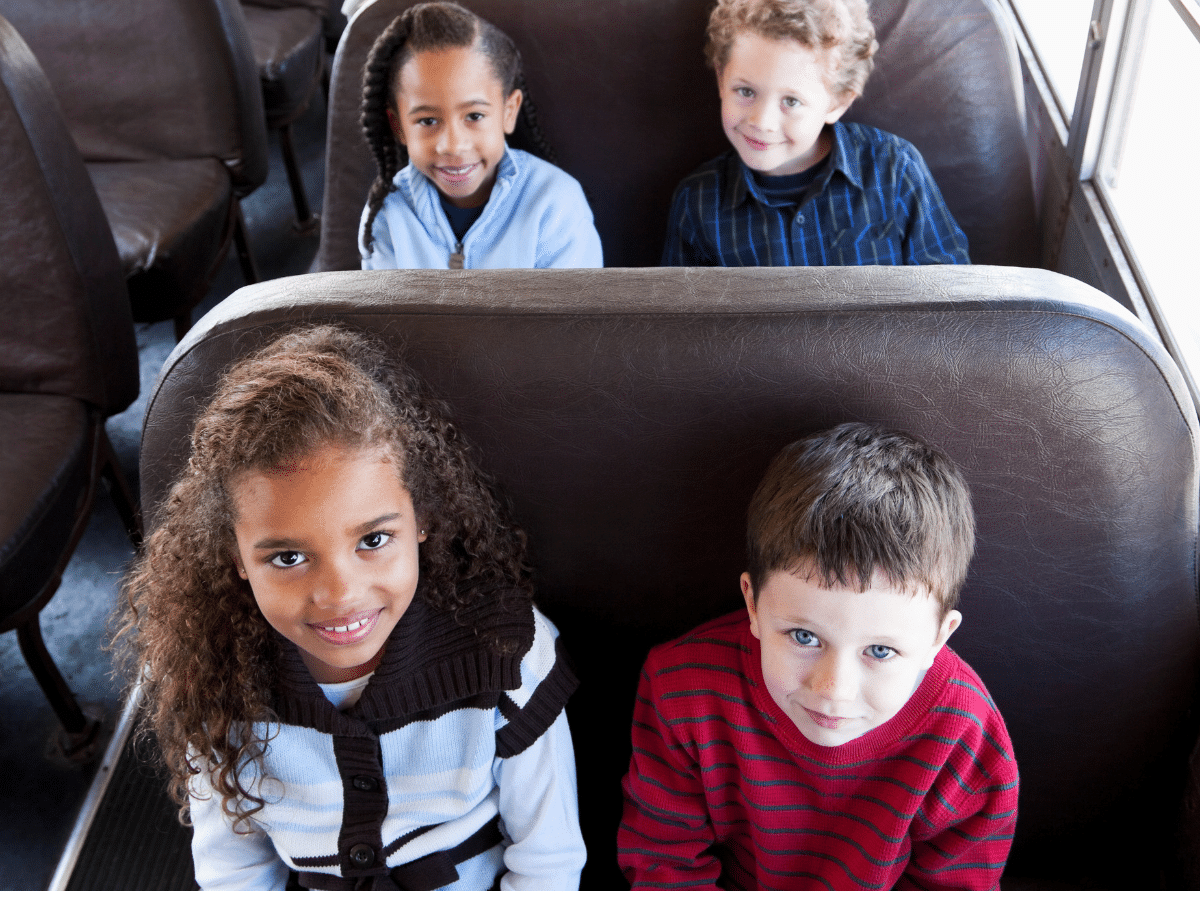
Teaching bus safety gives your students tools to:
- Stay physically safe while getting on, riding, and getting off the bus
- Manage their emotions in a crowded (& usually loud!) space
- Practice social skills like waiting patiently, listening to directions, and respecting others’ personal space
When you teach your little ones about bus safety, you’re doing more than just making sure they stay safe— you’re helping them grow into respectful and responsible humans in and out of your classroom!
How Bus Safety Builds SEL Skills
Believe it or not, teaching school bus safety for kids aligns beautifully with your social-emotional learning goals. It’s so much more than learning to sit quietly and still.
Students learn:
- Self-regulation
- Empathy
- Problem-solving
- Responsibility
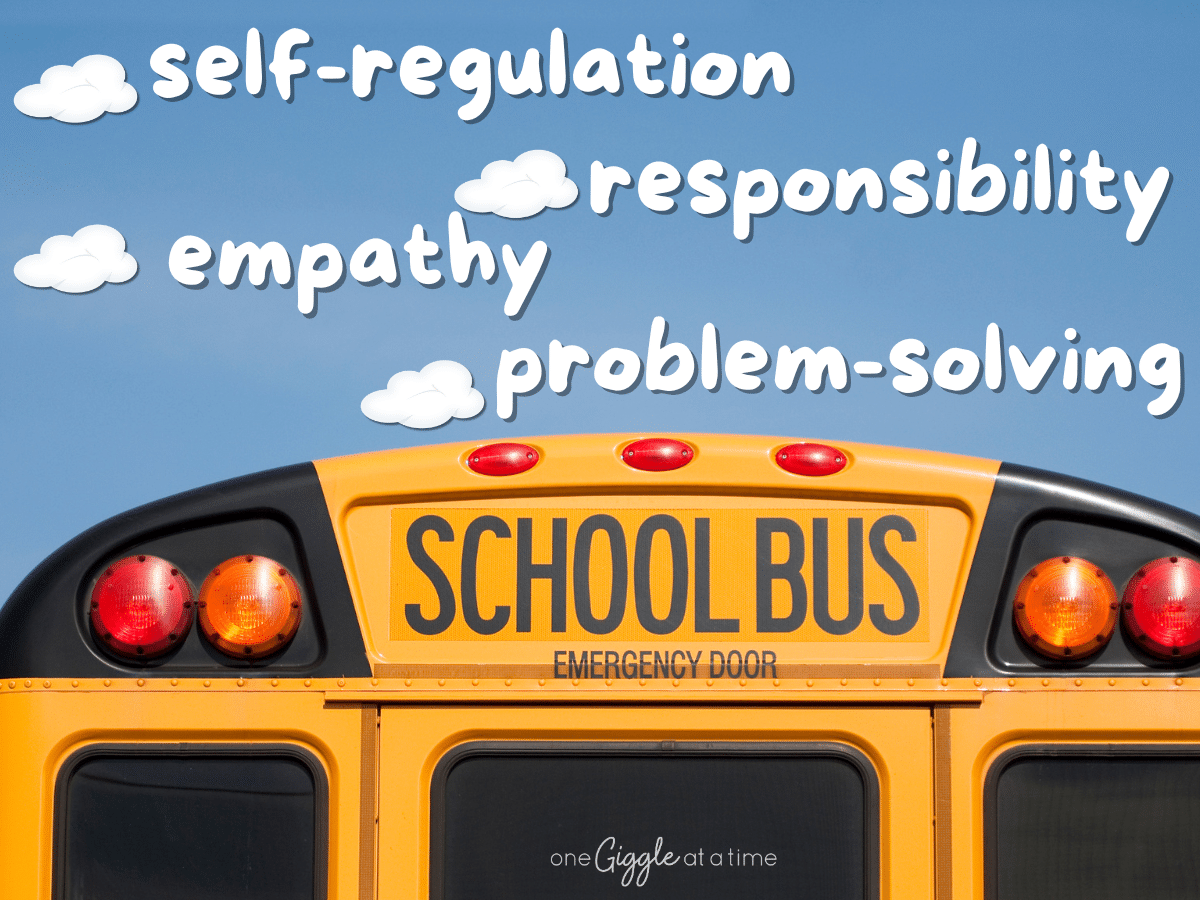
When you teach these skills through the lens of a real-life topic like bus safety, your students will gain real-world practice applying what they’ve learned in other SEL lessons in a way that sticks!
5 Easy & Engaging Ways to Teach Bus Safety
Check out these 5 easy tips for teaching school bus safety to kids:
1. Use a Social Story to Kick Things Off
Since bus safety will likely be a new topic for many of your students, use a simple social story to introduce the topic. Kid-friendly pictures and words allow students to understand new material more easily.
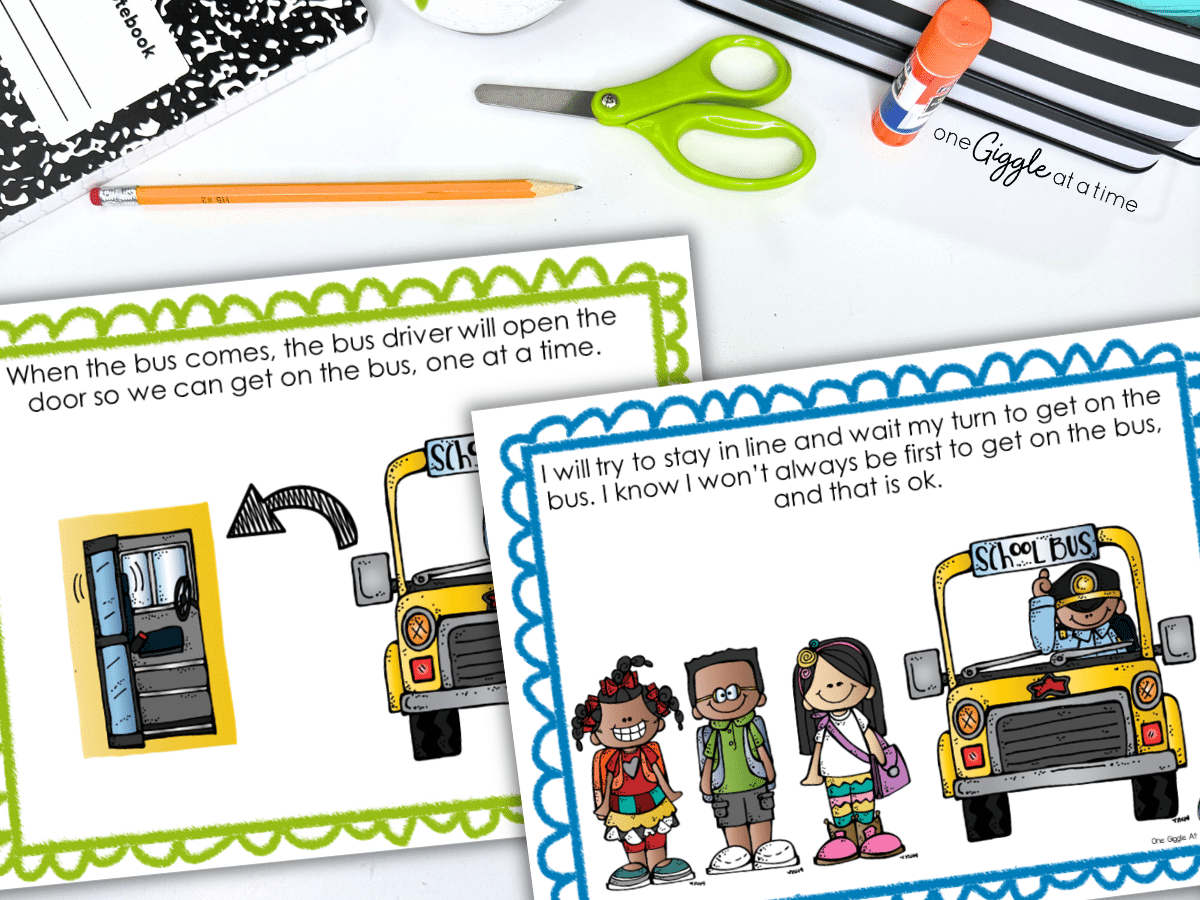
This Bus Safety Social Story focuses on:
- How to stay safe at the bus stop
- Safe procedures for entering the bus
- How to stay safe while riding the bus
- Safe procedures for exiting the bus
This resource is easy to adapt for all kinds of learners— including your kids with disabilities or those who are more visual learners.
Social stories are great learning tools to have on hand to revisit the topic after long school breaks or after bus-related behavior challenges have happened.
2. Make Learning Hands-On through Role Play
After your kids understand the expectations that go along with school bus safety, bring it to life with role play!
Set up your classroom like a school bus so students can practice different skills. Use chairs to create an aisle and bus seats. Assign students different roles, then jump right into the fun:
- Lining up at the bus stop
- Walking calmly to the bus
- Sitting in assigned seats
- Responding to the bus driver’s instructions
- What to do if something goes wrong or someone else breaks a rule
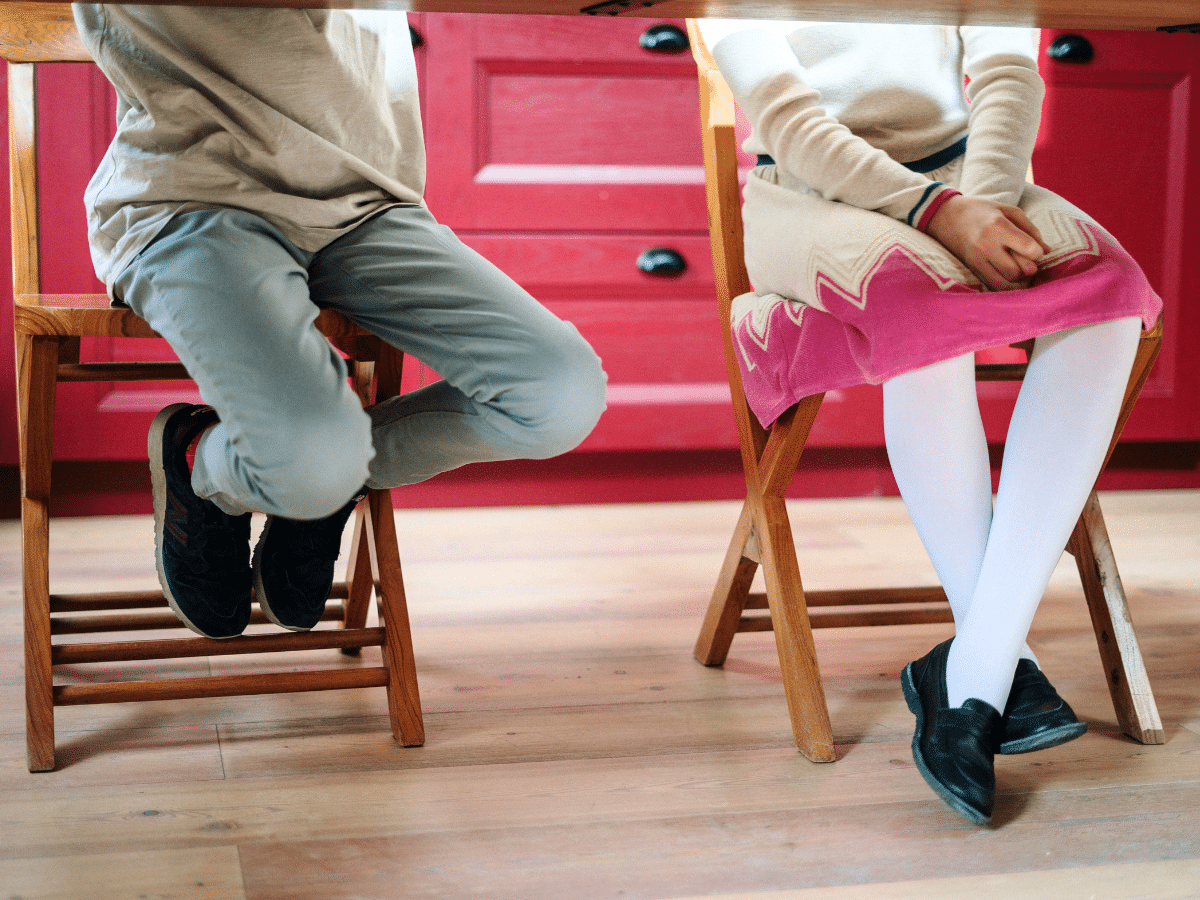
As your students role-play, emphasize safety and problem-solving. Ask questions that prompt them to think through different scenarios.
What if someone is yelling?
What if a friend stands up while the bus is moving?
What if your bookbag slides down the aisle? Should you get up and get it?
This activity helps students build confidence and empathy while applying the skills you have taught them.
3. Use Interactive Activities to Make Learning More Fun
Next, reinforce learning through hands-on activities.
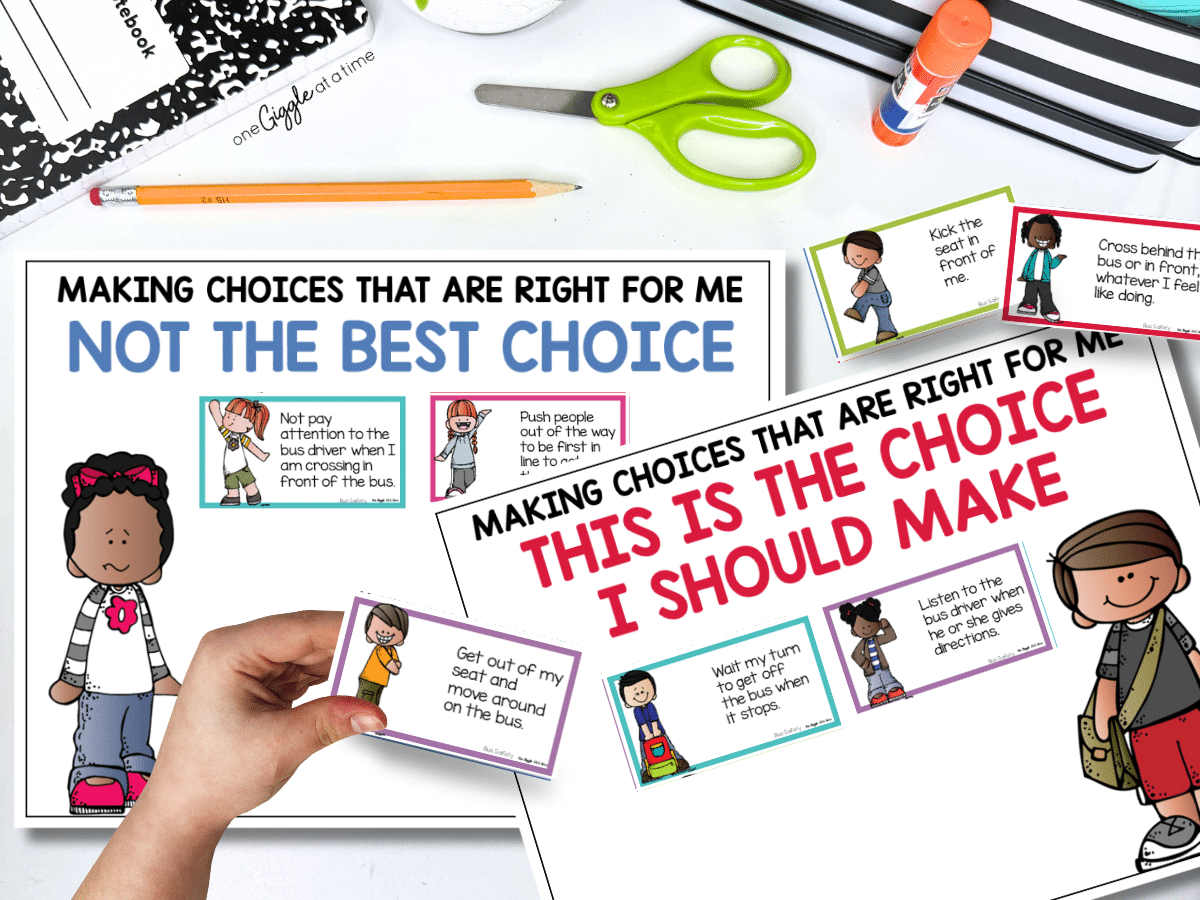
- Mini coloring book: Encourage creativity and skill reinforcement as kids color the easy reader mini-book.
- Activity page: Students reflect on what they learned about school bus rules as they practice writing and drawing pictures.
- Discussion cards: Practice problem-solving skills by talking through important bus-related questions. This activity is great for small groups or whole group instruction.
- Sorting activity: Students activate critical thinking skills by deciding if different scenarios are good choices or not.
4. Read Bus Safety Books
Books are another great way to help students learn about bus safety. These are a few school bus favorites you can add to your classroom or check out from your school library:

*This post contains some affiliate links. As an Amazon Associate, I earn from qualifying purchases.
Each of these kid-friendly books normalizes the natural jitters kids might feel the first time they ride a school bus.
As you read, pause and talk to your students about how they would feel in different situations— would they react the same way or differently?
5. Celebrate!
Finally, don’t forget to celebrate your students’ learning and growth! Share positive student notes to let them know you see their great efforts.
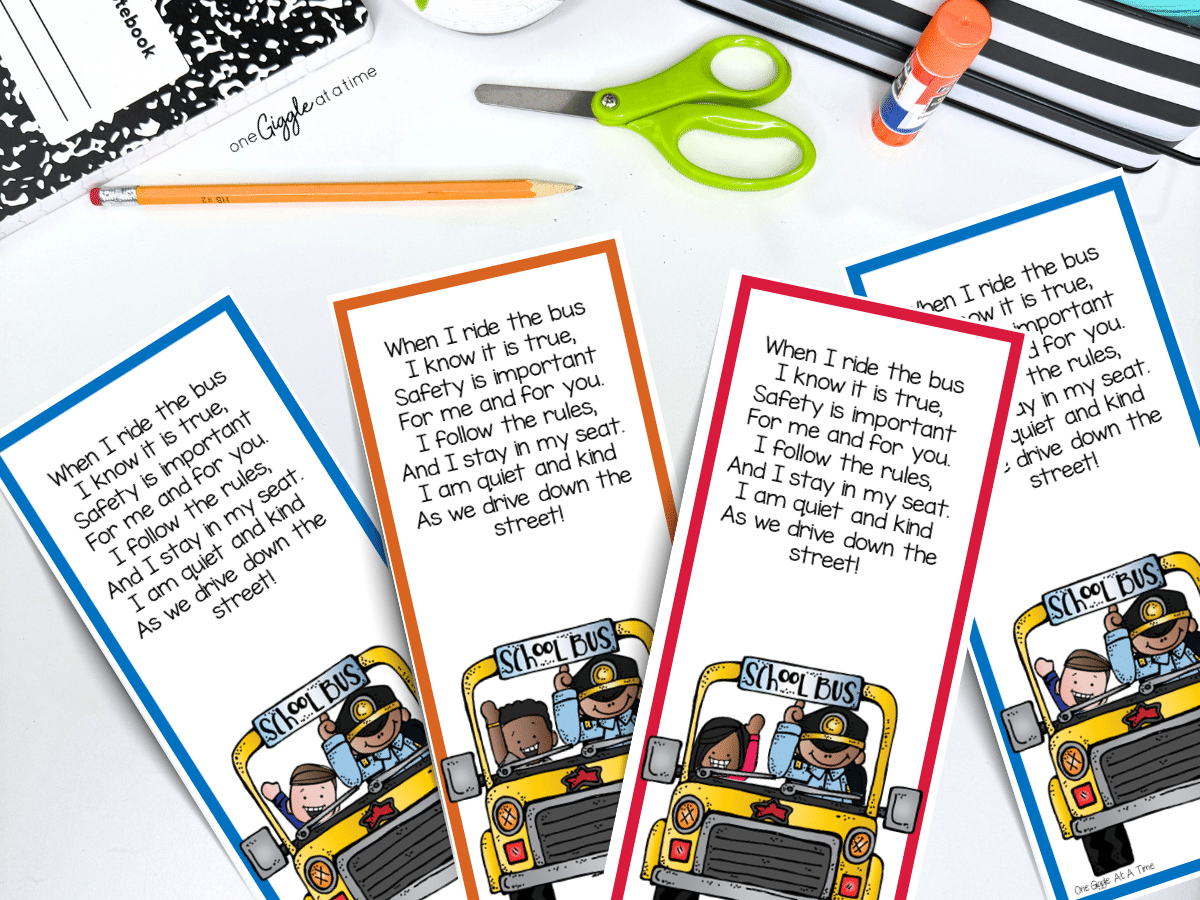
These done-for-you notes are perfect for building positive teacher-student-parent relationships, too!
When to Teach School Bus Safety to Kids
Back-to-school time is a great time to introduce school bus safety to kids, since many of your little learners may be riding a bus for the first time.
You can also wait to press into this topic until a little later— National School Bus Safety Week rolls around during the third full week of October every year. This is a great time to spotlight school bus safety for kids in your classroom since you’ll likely be doing other bus-related activities, too.
If you’ve already introduced school bus safety earlier, you can just revisit this important concept to refresh and reinforce learning with your students using the Bus Safety Resource.
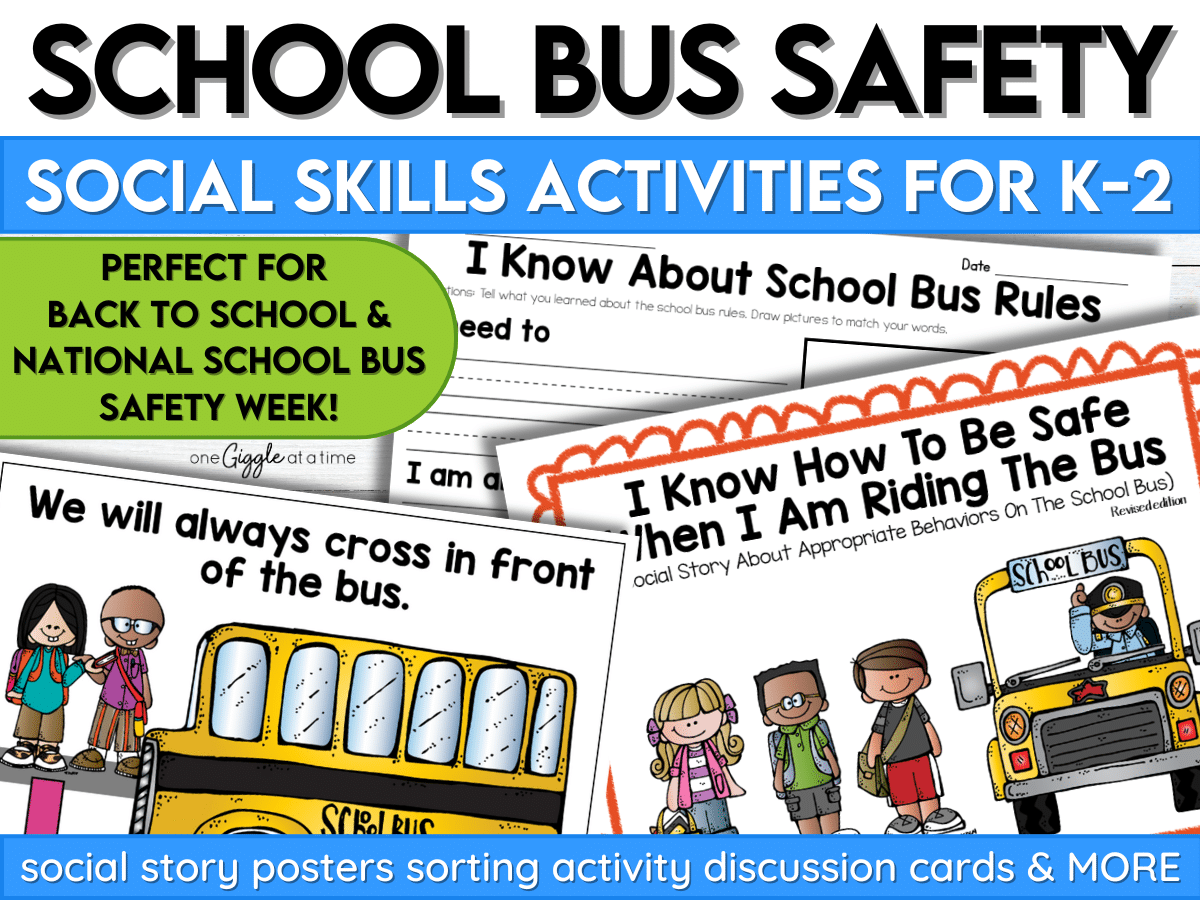
Teaching school bus safety for kids might feel like one.more.thing on your already full plate, but you don’t have to go at it alone or overcomplicate things. With clear expectations and hands-on activities and practice, you are helping your students build confidence, stay safe, and grow real-world skills—one safe bus ride and one giggle at a time!
Let me know if you have any questions about anything you see here. Don’t forget to pin this post to refer to it later!
Other posts you may enjoy:
10 PRACTICAL Steps for Building a Trauma-Sensitive Classroom Environment
How To Easily Accommodate Students With Severe Food Allergies Into Your Classroom Community
10 Simple Tips to Share with Parents to Ensure Elementary School Success
TREAT YOURSELF TO STRESS FREE PLANNING FOR BACK TO SCHOOL WITH THIS
Free Back To School Routines & Procedures Checklist
Everything you need to remember for back to school in one convenient place!


Diane Romo
I’m so glad you’re here! I share practical ideas and ready-to-use resources for teachers, parents, homeschoolers, and counselors who want to foster strong relationships and inspire meaningful learning. If you support kids, this space is for you.